Gluconolactone is a polyhydroxy acid, or PHA, and it is the gentlest kind of exfoliating acid most of us will ever use. It smooths away dry, dead cells from the very surface of the skin, and it helps your skin hold on to water while it does it. If acids have stung your skin in the past, this is the one to know about.
What is gluconolactone?
Gluconolactone is made from glucose, a natural sugar. It belongs to a family called polyhydroxy acids, or PHAs, which are often described as the next generation after AHAs like glycolic and lactic acid.
The difference is size. PHA molecules are much larger, so they move into the skin slowly and stay near the surface, which is exactly where the dull, dead cells are. That slower pace is why they are so much less likely to sting.
Why mature skin needs a gentler exfoliant
After 40, skin renews more slowly, so dry cells build up and skin can look dull and feel rough. At the same time, falling oestrogen leaves skin thinner, drier and often more reactive than it used to be. That leaves many women stuck: their skin needs smoothing, but the scrubs and strong acids that worked at 30 now leave them red and tight.
Gluconolactone gets you out of that bind. It does the smoothing without the stripping.
What gluconolactone does for your skin
It gently removes dead skin cells. The surface looks smoother and more even, and feels softer to touch.
It helps skin hold water. Gluconolactone has several water loving groups in its structure, so it acts as a humectant as well as an exfoliant. Dry skin tends to feel comfortable afterwards, not tight.
It is kind to sensitive skin. Because it works so slowly and stays so close to the surface, it suits skin that reacts to almost everything.
It is easy to live with. Its gentleness means it can sit in a cream you use every day, instead of being saved for an occasional treatment.
PHA, AHA or BHA?
- AHAs such as glycolic and lactic acid smooth and brighten the surface. Lactic acid is the gentler of the two. We cover it in Is lactic acid good for mature skin?
- BHAs such as salicylic acid work inside pores, which suits oilier, breakout prone skin.
- PHAs such as gluconolactone smooth the surface while adding moisture, which suits dry, sensitive and mature skin best.
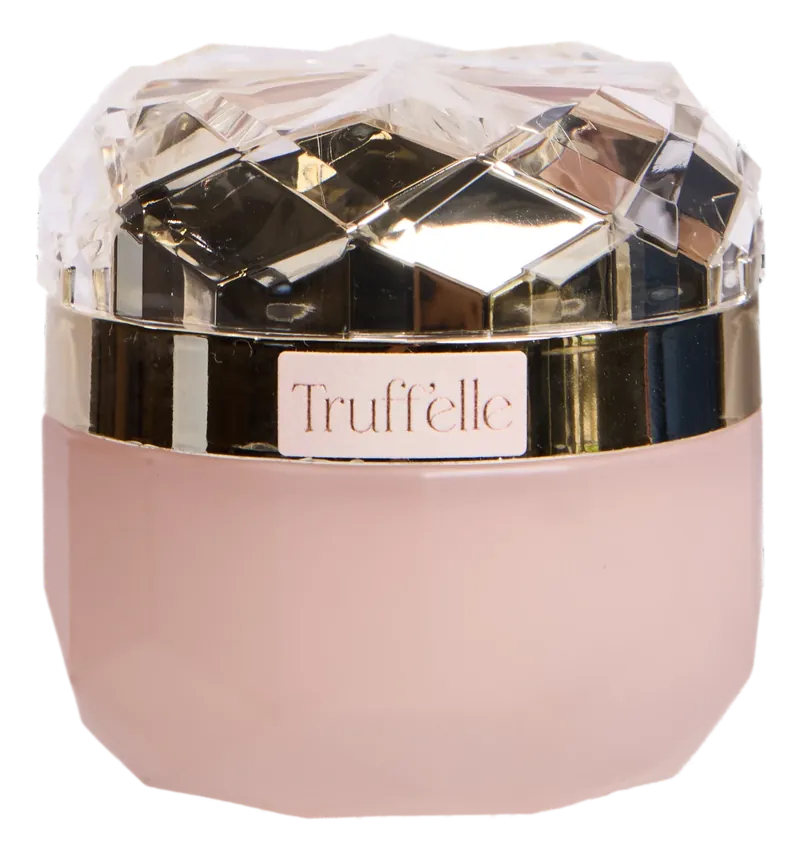
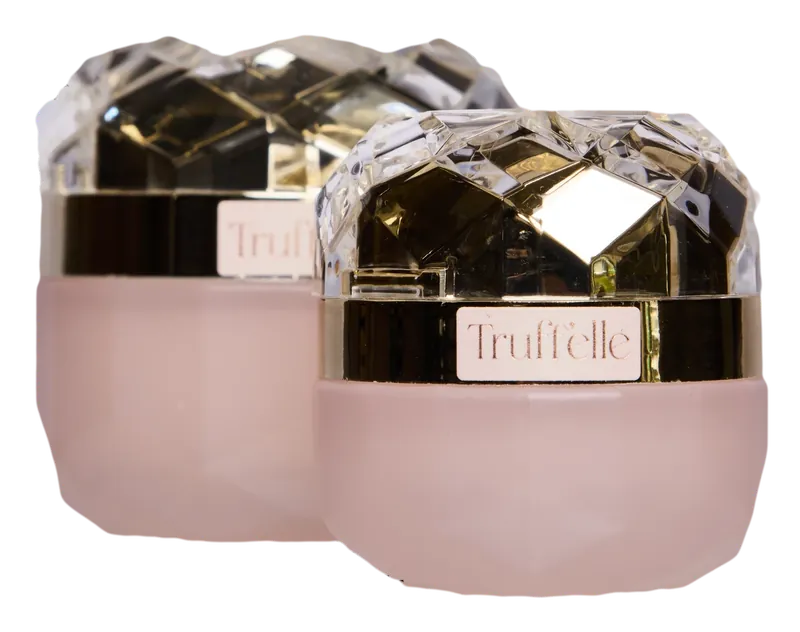
The Peptide Crème to renew, hydrate, strengthen and protect. The Eye Crème for fine lines and tired looking eyes. Or both together in the Black Diamond Duo.
How to use it
Gluconolactone is gentle enough for daily use in a leave-on cream for most women. A few simple habits keep things comfortable:
- Add one new product at a time, so you know what your skin is enjoying.
- If you use a retinoid, start it on separate nights at first, then bring them together once your skin is settled.
- Wear sunscreen every morning. It is the best thing you can do for mature skin, whatever else is in your routine.
If your skin has become reactive and you're not sure where to start, our guides to sensitive mature skin and the signs your skin barrier needs a simpler routine are good next reads.
How Truff'elle uses gluconolactone
Gluconolactone is in The Peptide Crème, and our ingredient list describes it in four words: it gently removes dead skin cells. A small amount of lactic acid sits alongside it for a little extra smoothing.
They are there to clear the way, while the rest of the cream does the comforting: sodium hyaluronate for that dewy finish, sacha inchi and safflower seed oils for a soft, nourished feel, three Australian plums and goji berry for vitamins, and bio-fermented Australian black truffle, naturally rich in peptides and amino acids. It is the world's first bio-fermented black truffle skincare, and it is gentle enough to use morning and night.