If you have ever caught your reflection in a shop window and thought, when did my face start to drape like a well loved cardigan, you are not imagining it. Collagen is the reason, menopause is the accelerator, and the beauty aisle is full of people very keen to sell you the answer in a sachet. Here is what really happens to collagen, and what has proper evidence behind it.
What collagen does
Collagen is the most abundant protein in your skin. It sits in the dermis, the layer under the surface, forming a springy mesh that keeps skin firm, thick and smooth. Elastin lets it bounce back, and hyaluronic acid holds water in between. Together they are the reason young skin snaps back when you pinch it, and why older skin takes its time.
Why menopause hits collagen so hard
Oestrogen helps the cells that make collagen do their job. When oestrogen falls, collagen production falls with it.
The figures come from the work of Professor Mark Brincat and colleagues, who studied skin collagen in women after menopause. Their research suggests skin can lose as much as 30% of its collagen in the first five years after menopause, followed by a slower loss of about 2% a year. That is why so many women say their skin seemed to change almost overnight in their late forties and fifties. It wasn't overnight, but it was fast.
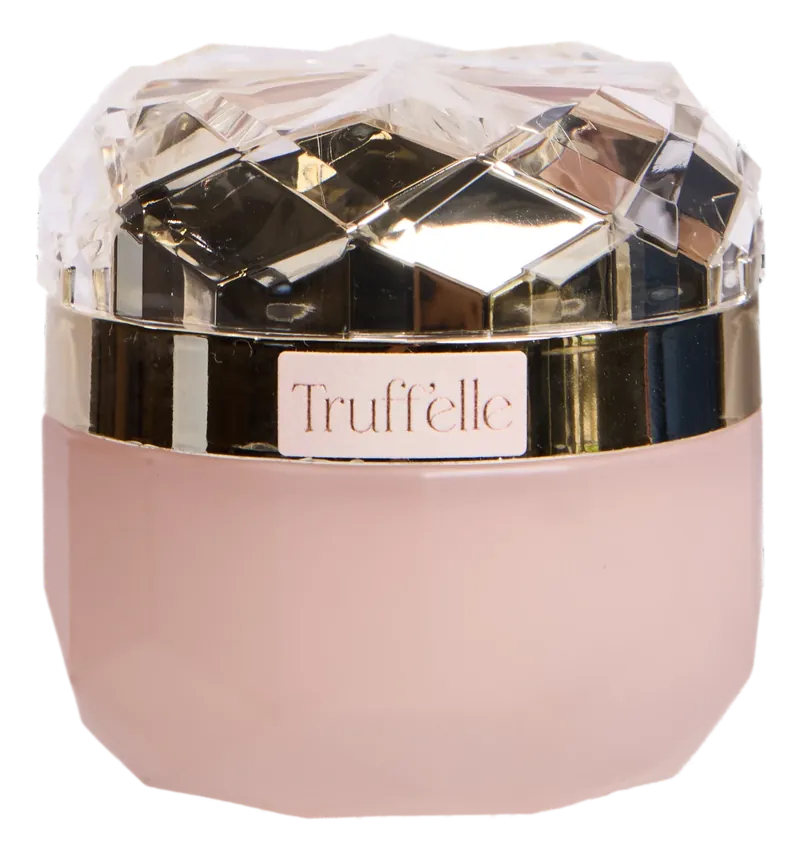
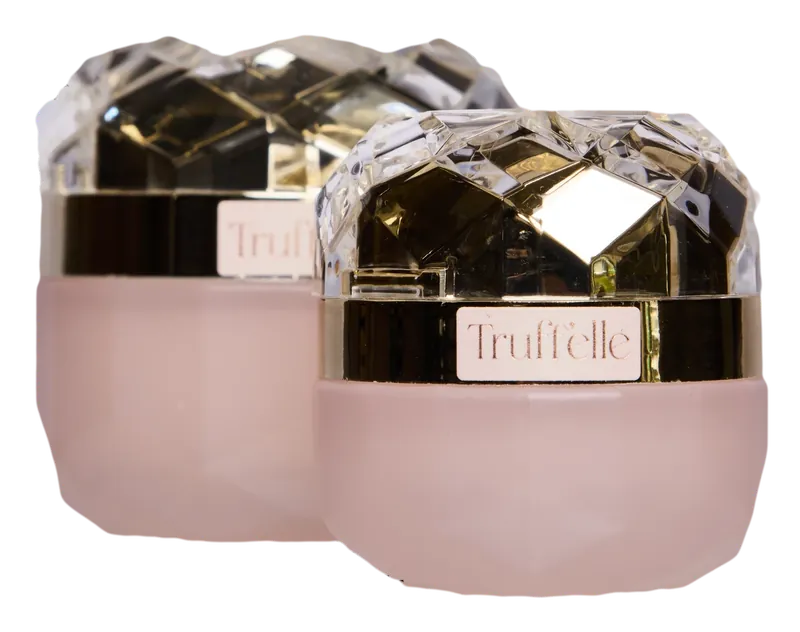
The Peptide Crème to renew, hydrate, strengthen and protect. The Eye Crème for fine lines and tired looking eyes. Or both together in the Black Diamond Duo.
Do collagen drinks and powders work?
This is where it gets spicy. Collagen supplements are a booming industry, and some reviews have found improvements in skin hydration and elasticity. But in 2025, an analysis of 23 trials published in the American Journal of Medicine split the studies by who paid for them and how well they were run. When it looked only at studies without industry funding, or only at the highest quality trials, the benefit disappeared.
The collagen industry pushed back hard, arguing that industry funded research isn't automatically poor research. Fair enough. But for now, the honest summary is that the evidence is mixed, and the most independent studies are the least impressed. If you enjoy your collagen coffee, it is unlikely to hurt. Just don't expect it to do the heavy lifting.
One thing worth knowing: collagen you swallow is digested into amino acids, like any other protein. Making sure you eat enough protein overall gives your body the same raw materials.
What has real evidence
- Sunscreen, every single day. Sun is the biggest destroyer of collagen. Protecting what you have is easier than rebuilding what you've lost. Choose it wisely and read the ingredients: our founder Sabina uses a zinc sunscreen, which reflects UV and tends to suit sensitive skin.
- A retinoid. Retinoids, including retinol, have the strongest evidence of any skincare ingredient for supporting collagen and softening fine lines. Start gently, especially on dry menopausal skin.
- Enough protein. Collagen is built from amino acids, so eat protein at every meal.
- Strength training. In a 2023 study, women who lifted weights twice a week for 16 weeks developed a measurably thicker dermis. Our article on exercise and your skin has the details.
- Steady blood sugar. Sugar can stick to collagen and stiffen it. More in sugar and your skin.
- Not smoking. Smoking breaks down collagen and slows its repair.
- A conversation about HRT. Brincat's work found women on oestrogen therapy didn't show the same decline. HRT is a medical decision about your whole health, so talk it through with your doctor.
Where a good cream fits
Let's be straight: no cream can put back collagen you've lost, whatever the label says. What a good cream can do is keep skin deeply hydrated, so it looks plumper and smoother, protect it with antioxidants, and, in the case of a retinoid, support the skin's own renewal over time.
That is how we built ours. The Peptide Crème floods face and neck with hydration, peptides and amino acids from bio-fermented black truffle, and vitamins from three Australian plums. The Eye Crème adds a gentle amount of retinol for the thinnest skin on your face. Pair either with sunscreen, protein and a few squats, and you've got a plan with real science behind it.