Sugar, it turns out, is a terrible houseguest. It doesn't just settle on your hips. Given half a chance, it moves into your collagen and starts rearranging the furniture. Here is what the research actually says about blood sugar and your skin, why it matters more after menopause, and how to keep things sweet without giving up chocolate for the rest of your life.
What glycation does to your skin
Collagen is the springy scaffolding that keeps skin firm and smooth. When there is more sugar in your blood than your body can use, some of it attaches itself to proteins like collagen and elastin. Scientists call this glycation, and the sticky end results are known, rather fittingly, as AGEs: advanced glycation end products.
AGEs make collagen fibres cross link and stiffen. Dermatologist Dr Frank Danby described it in Clinics in Dermatology as one of the main ways sugar harms ageing skin: glycated collagen becomes rigid and hard for skin to repair. Think of a silk scarf that has been dipped in syrup and left to dry. Still there, but it no longer drapes the way it used to.
Can people actually see it?
Researchers in the Netherlands put it to the test. In the Leiden Longevity Study, 602 people had their blood sugar measured, and independent assessors guessed their age from photographs. Among people without diabetes, every 1 mmol/L rise in blood sugar added about five months to how old they looked. People with diabetes were judged older again.
Two honest caveats. This kind of study shows a link, not proof that sugar caused the difference. And five months is not exactly a facelift in reverse. But it lines up with what we know about glycation, and it is one more good reason to look after your blood sugar for your whole body, not just your face.
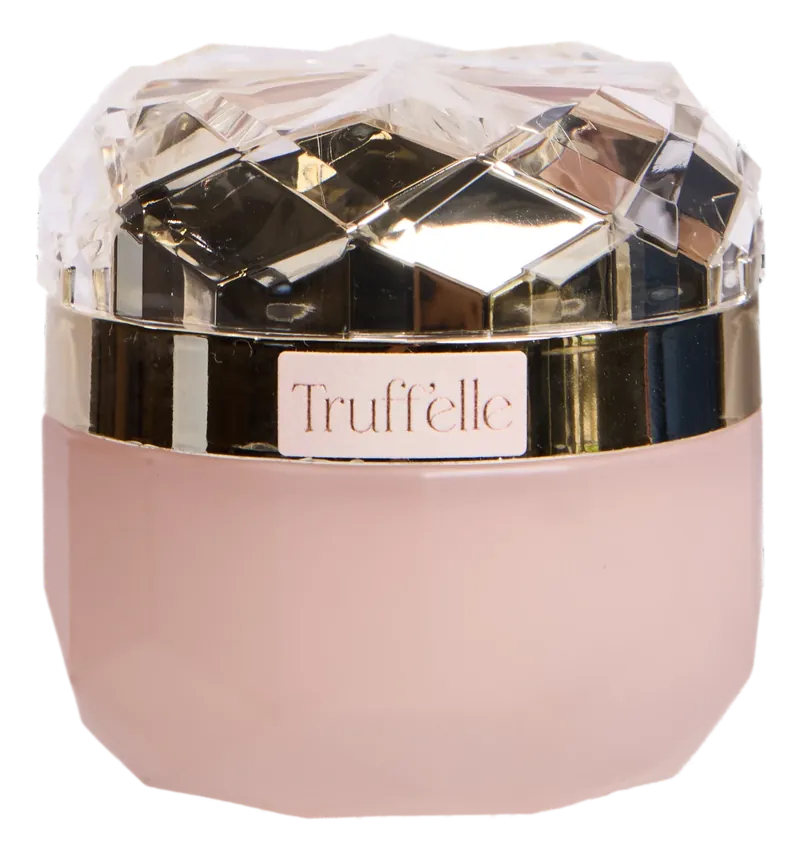
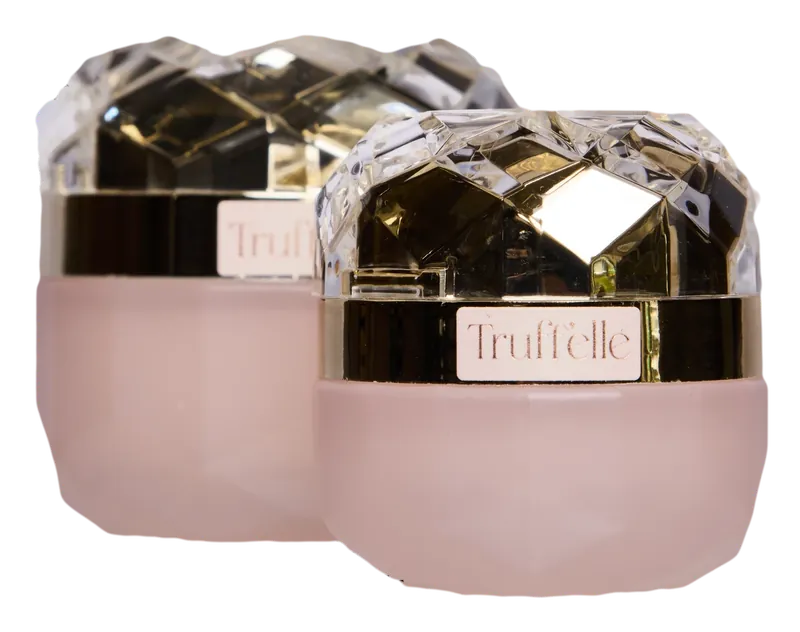
The Peptide Crème to renew, hydrate, strengthen and protect. The Eye Crème for fine lines and tired looking eyes. Or both together in the Black Diamond Duo.
Why it matters more after menopause
Oestrogen helps your body handle blood sugar. As it falls through perimenopause and menopause, many women find their bodies become less sensitive to insulin, which can mean higher blood sugar after meals, especially carbohydrate heavy ones. Add the collagen your skin is already losing as oestrogen drops, and you can see why skin in your fifties has less room for a sugar habit than skin in your twenties.
If you have symptoms of high blood sugar, such as unusual thirst, tiredness or needing to wee more often, see your GP. A simple blood test can check.
What actually helps (and what doesn't)
Nobody is asking you to live on steamed fish and sadness. The goal is steadier blood sugar, not a sugar free existence.
- Have the sweet thing with a meal. Dessert after dinner raises blood sugar less sharply than a biscuit on an empty stomach, because protein, fat and fibre slow things down.
- Build meals around protein, vegetables and whole grains. Your collagen is made from protein, so it is doubly useful.
- Walk after you eat. Even ten minutes after a meal helps your muscles soak up sugar. Your skin will thank you, and so will your jeans.
- Watch the sneaky sugars. Juice, sweetened yoghurt and many "healthy" bars carry more sugar than you would think.
- Sleep. A bad night makes your body handle sugar less well the next day. Easier said than done when hot flushes are involved, we know.
What doesn't help: expensive "anti glycation" supplements with little human evidence behind them, or cutting out fruit. Whole fruit comes with fibre and vitamins and is not the villain here.
Looking after skin that is already a little glycated
You can't scrub glycation away, but you can look after the skin you have. Daily sunscreen matters most, because sun damage and glycation make each other worse. Keeping skin well hydrated helps it look plumper and smoother while you work on the inside.
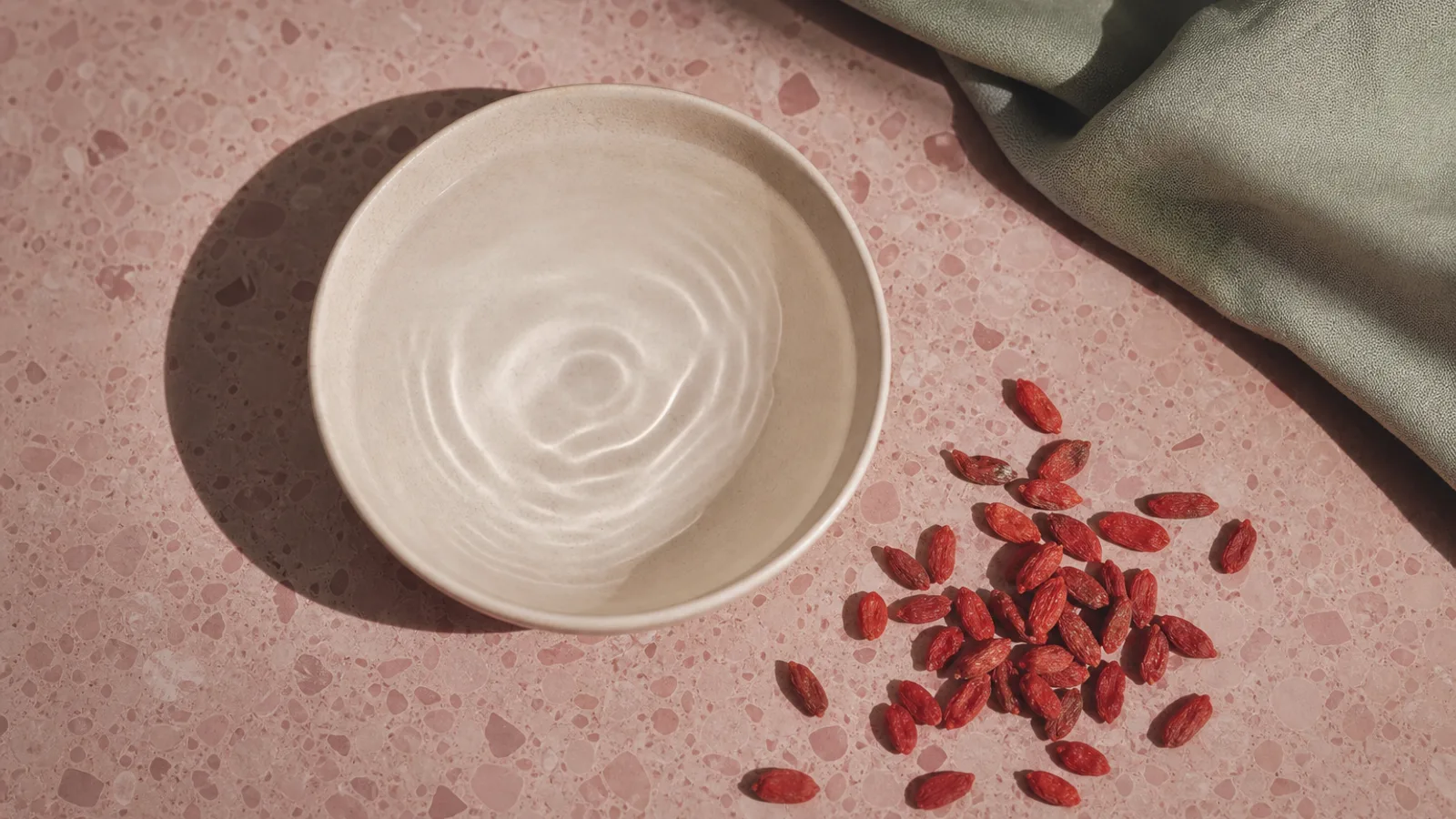
That is where a good cream earns its place. The Peptide Crème floods skin with hydration and antioxidants from three Australian plums and goji berry, alongside bio-fermented black truffle. It won't undo a lifetime of chocolate. Nothing will. But it will help your skin feel comfortable and look its best while you make the slow, sweet changes that do.