We all know exercise is good for the heart, the bones and the mood. Less talked about: it seems to be rather good for your face as well. Here is what researchers have found when they put skin under the microscope before and after people started moving, and how to get the most from it without wrecking your skin in the process.
What happened when sedentary women started training
In 2023, researchers in Japan recruited 61 healthy middle aged women who didn't exercise, and gave them 16 weeks of either aerobic training, such as cycling, or resistance training, such as weights, twice a week. Results from 56 women were analysed in Scientific Reports.
Both groups saw their skin become more elastic, and the structure of the upper dermis, the supportive layer under the surface, improved. But only the women who lifted weights saw their dermis actually become thicker. The researchers linked this to changes in inflammatory factors circulating in the blood, and to more of the building blocks that make up the skin's supportive matrix.
It was one fairly small study without a group that did nothing, so it isn't the final word. But it's a lovely result, and it points the same way as earlier research.
Your muscles talk to your skin
Back in 2015, researchers at McMaster University in Canada compared people who exercised regularly with people who didn't, and studied mice as well. They found exercise slowed age related changes in skin, and traced part of the effect to a messenger called interleukin 15, released by working muscles, which helped skin cells keep their energy factories, the mitochondria, in good shape.
In other words, when your thighs are burning on the stairs, they may be quietly sending good news to your cheeks.
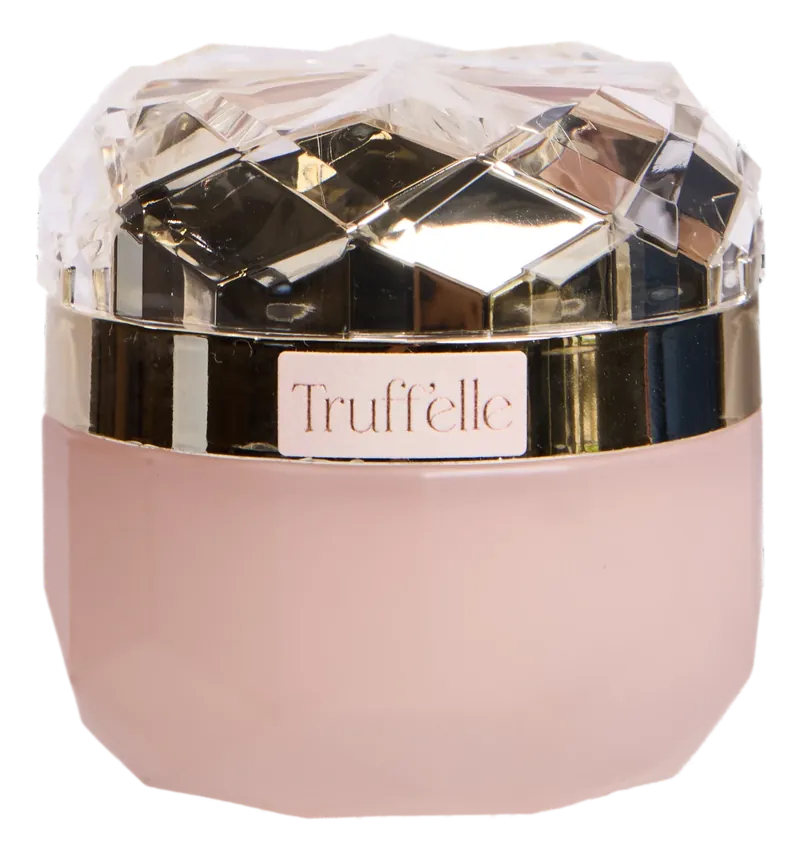
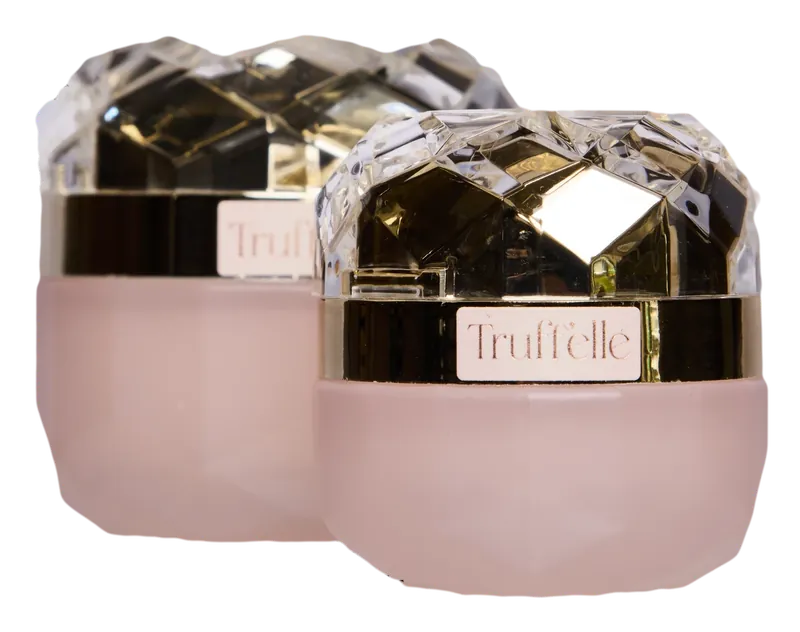
The Peptide Crème to renew, hydrate, strengthen and protect. The Eye Crème for fine lines and tired looking eyes. Or both together in the Black Diamond Duo.
Why strength training is worth it after menopause
As oestrogen falls, women lose muscle and bone more quickly, and skin loses collagen. Strength training is one of the few things that helps all three. You don't need a gym membership or a personal trainer called Brad. Two sessions a week of bodyweight squats, wall push ups, resistance bands or a pair of hand weights is a brilliant start. If you have a health condition, a physiotherapist or exercise physiologist can set you up safely.
Cardio still matters for your heart, your mood and your blood sugar, and a brisk walk after dinner is one of the easiest wins there is. The best exercise is the one you'll actually keep doing.
Looking after your skin while you train
Exercise is good for skin. Sweat, sun and harsh showers are less so.
- Sunscreen first if you're outdoors. All the collagen benefits in the world won't outrun a morning of unprotected sun. A zinc sunscreen is a good choice for sensitive skin. Reapply if you're out for hours.
- Go easy on the post workout scrub. Rinse sweat off with lukewarm water and a gentle cleanser. Hot water and strong foaming washes strip skin that is already low on oils.
- Moisturise straight after showering. Pat skin almost dry, then smooth on your cream while it is still slightly damp to seal in water.
- Hydrate the inside too. Drink water through the day, especially in Australian summers.
After your shower, The Peptide Crème is a thin, fast absorbing cream your skin drinks in, so it won't sit heavily on warm, post workout skin. Then you can get on with your day, a little stronger and a little smugger.