Yes, for most women over 40, lactic acid is one of the kindest exfoliating acids you can choose. It gently loosens the dull, dry cells sitting on the surface of your skin so the fresher skin underneath can show through, and unlike harsher acids it also helps your skin hold on to water. That combination is exactly what drier, slower skin after 40 tends to need.
What is lactic acid?
Lactic acid is an alpha hydroxy acid, or AHA, from the same family as glycolic acid. It occurs naturally in soured milk and fermented foods, and your own skin already contains lactate as part of its natural moisturising factor: the mix of substances that keeps the surface of your skin soft and supple.
That last point is why lactic acid feels so different from other acids. It exfoliates, but it also speaks your skin's language when it comes to moisture.
Why skin looks duller after 40
Young skin sheds its outer layer quickly and quietly. As we get older, that renewal slows down. Dead cells hang around for longer, so skin can look flat in the mirror, feel rough under your fingers, and make your favourite cream seem to sit on top instead of sinking in. Our article on why skincare takes time explains how much that renewal slows.
Add the drop in oestrogen through perimenopause and menopause, and skin also holds less water. So you have a surface that is both a bit dull and a bit thirsty.
What lactic acid does for mature skin
It smooths. Lactic acid loosens the bonds holding dead cells to the surface, so they shed more easily. Skin feels softer and looks more even.
It brightens. A smoother surface reflects light better, which is a big part of what we read as glow.
It hydrates. Lactic acid is a humectant, which means it draws water into the outer layer of skin. Many exfoliants leave dry skin feeling tighter. Lactic acid tends to do the opposite.
It lets your other skincare work better. Cream spreads and absorbs more easily on skin that isn't carrying a layer of dry, dead cells.
Lactic acid or glycolic acid?
Both are AHAs, but they behave differently. Glycolic acid has a very small molecule, so it moves quickly and can sting on dry or sensitive skin. Lactic acid is a larger molecule, so it works more gently at the surface, and it brings that extra moisture with it. For most women over 40, especially those whose skin has become reactive, lactic acid is the more comfortable choice.
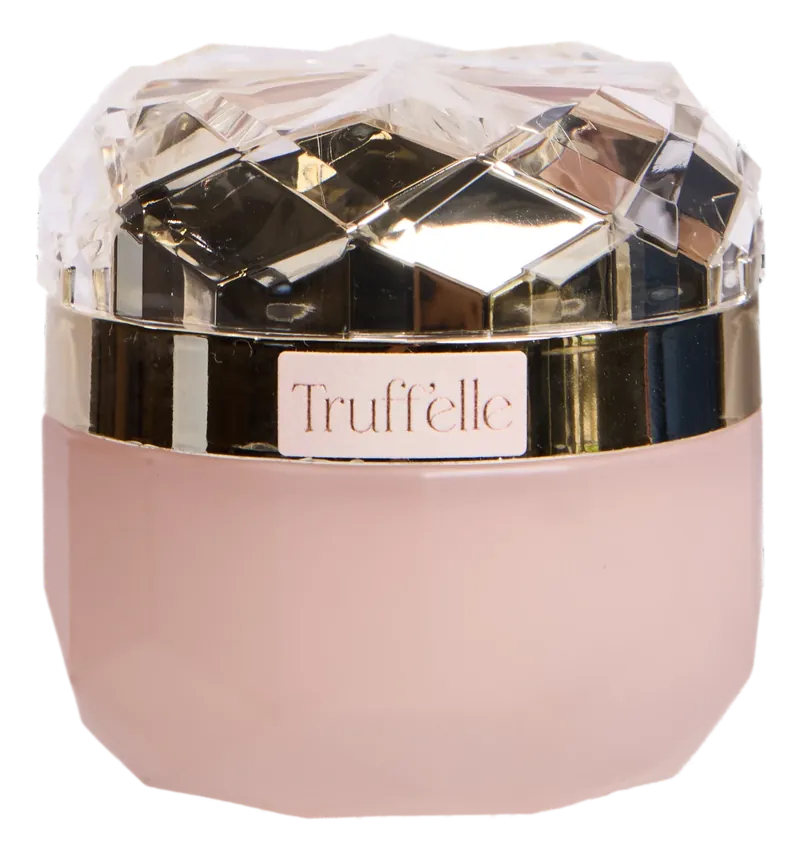
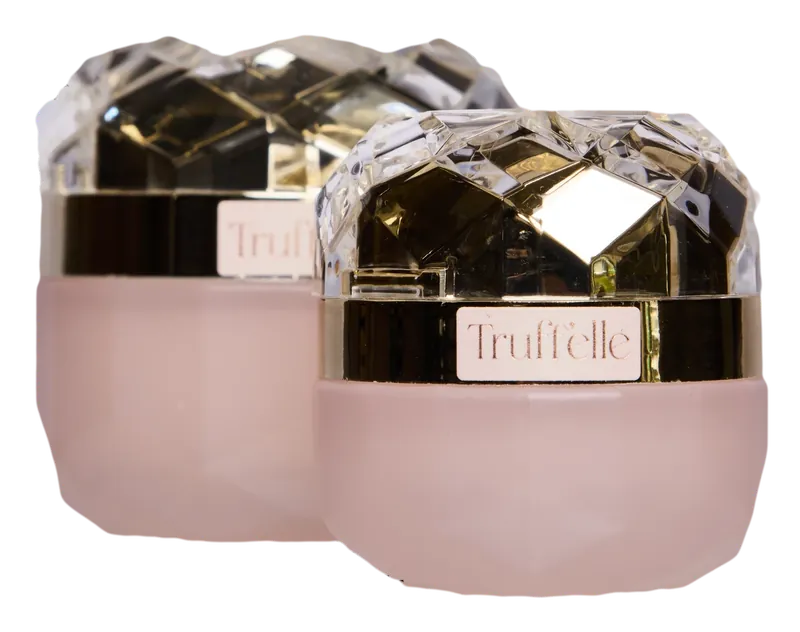
The Peptide Crème to renew, hydrate, strengthen and protect. The Eye Crème for fine lines and tired looking eyes. Or both together in the Black Diamond Duo.
How to use lactic acid without irritation
- Think little and often. A small amount in a leave-on cream is far gentler on mature skin than a strong peel once a month.
- Add one new product at a time. If you start an acid, a retinol and a new cleanser in the same week and your skin complains, you won't know why.
- Be kind on retinol nights. If your skin is sensitive, keep stronger acid products and your retinoid to different evenings.
- Wear sunscreen every morning. AHAs can make skin more sensitive to the sun, and in Australia that matters most days of the year.
- Listen to your skin. A little tingle can be normal. Stinging, redness or flaking means ease back.
Lactic acid has a gentler cousin called gluconolactone that is even easier on sensitive skin. We explain it in Gluconolactone: the gentle exfoliant for dry, mature skin.
How Truff'elle uses lactic acid
In The Peptide Crème, lactic acid (our ingredient list calls it "acid for skin rejuvenation") sits right at the end of the list, so there is just a little of it. It works quietly alongside gluconolactone, which gently removes dead skin cells.
Everything else in the formula is about putting moisture and comfort back: sodium hyaluronate for that dewy finish, sacha inchi and safflower seed oils for a soft, nourished feel, Kakadu, Illawarra and Burdekin plums, and bio-fermented Australian black truffle, naturally rich in peptides and amino acids.
So instead of a peel that leaves you tight and pink, you get a gentle daily smoothing inside a cream built to comfort dry skin. And it's free from PFAS, microplastics and known endocrine disruptors.
If you'd like to know what else to look for on a label, our guide to skincare ingredients for women over 50 walks through it, and how to choose a moisturiser for menopausal skin reads The Peptide Crème's label line by line.