Peptides are short chains of amino acids, and amino acids are the building blocks of the proteins that keep skin firm, smooth and supple, like collagen and elastin. In skincare, peptides are used to help skin look firmer and smoother, and to support skin that has become drier and thinner with age. Their great strength is that they do this gently, which is why they suit skin after 40 so well.
What are peptides, in plain English?
Think of amino acids as beads, and proteins as long necklaces made from thousands of them. A peptide is a short string of just a few beads.
Your skin is full of proteins made this way. Collagen gives skin its firmness, elastin lets it spring back, and keratin forms its protective outer layer. As oestrogen falls through perimenopause and menopause, skin makes less collagen, which is a big part of why it starts to feel thinner and look less plump. Our article on collagen and menopause explains what happens.
The main types of peptides on skincare labels
Signal peptides. These are the ones most often linked with firmness. They are used to support the look of firmer, smoother skin.
Carrier peptides. These carry trace minerals into the skin. The best known is the copper peptide GHK-Cu. Our founder Sabina tried it with high hopes, and you can read what she found in GHK-Cu: has the copper peptide lived up to the hype?
Peptides for expression lines. Acetyl hexapeptide-8, often sold as Argireline, is studied for softening the look of expression lines such as crow's feet. We explain it in Acetyl Hexapeptide-8 eye cream.
Peptides and amino acids as skin conditioners. These help skin feel softer and hold moisture, which is often what dry, menopausal skin is asking for most.
What peptides do for skin after 40
- They help skin look smoother and plumper, especially alongside good hydration.
- They support a softer, more supple feel, which you notice on your neck and jawline as much as your face.
- They are gentle. Unlike strong acids or high strength retinoids, peptides rarely sting, so they suit skin that has become reactive.
- They play well with others. Peptides sit comfortably alongside hyaluronic acid, plant oils and retinol.
The honest part is that peptides are steady, not instant. Give a peptide cream several weeks of use, morning and night, before you judge it.
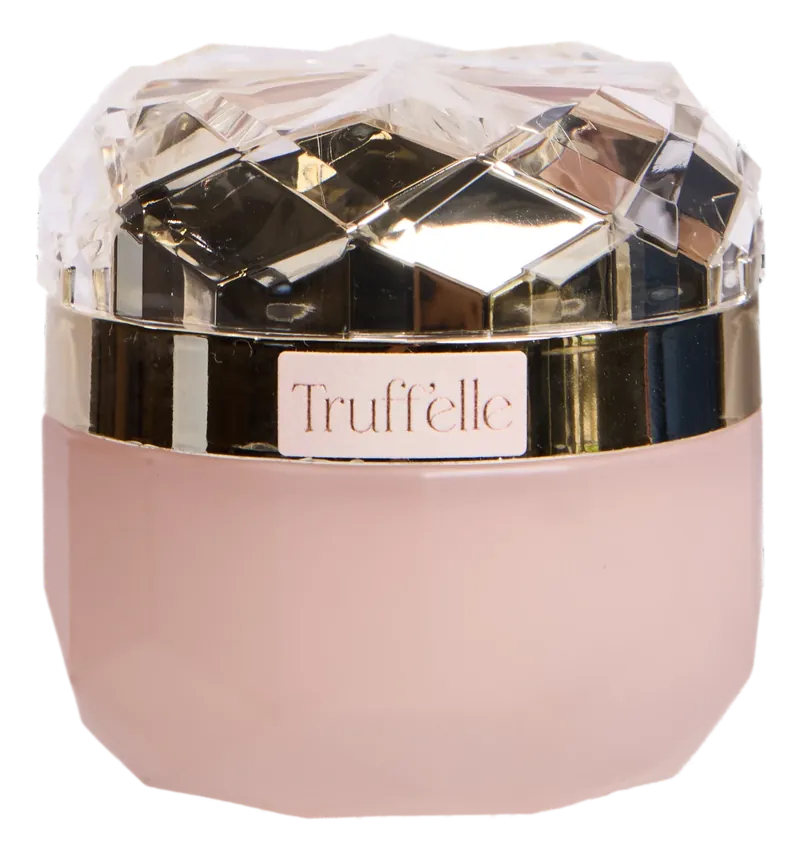
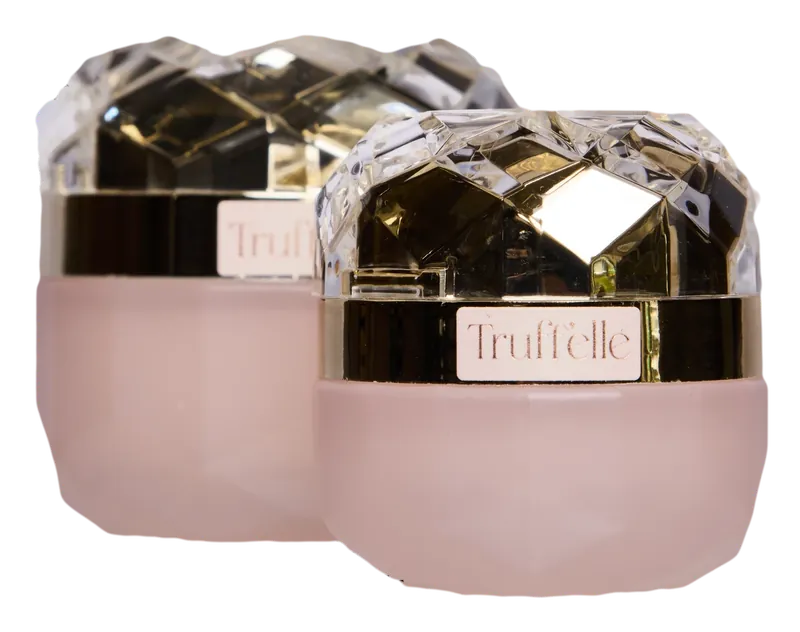
The Peptide Crème to renew, hydrate, strengthen and protect. The Eye Crème for fine lines and tired looking eyes. Or both together in the Black Diamond Duo.
Peptides or retinol?
You don't have to choose. Retinol is the stronger tool for fine lines, but it can leave dry skin flaky and tight. Peptides are gentle and hydrating. Many women, Sabina included, use a peptide rich cream as the hydrating base and their retinol or tretinoin over the top. Our guide to truffle skincare vs retinol shows how to use them together.
How Truff'elle uses peptides
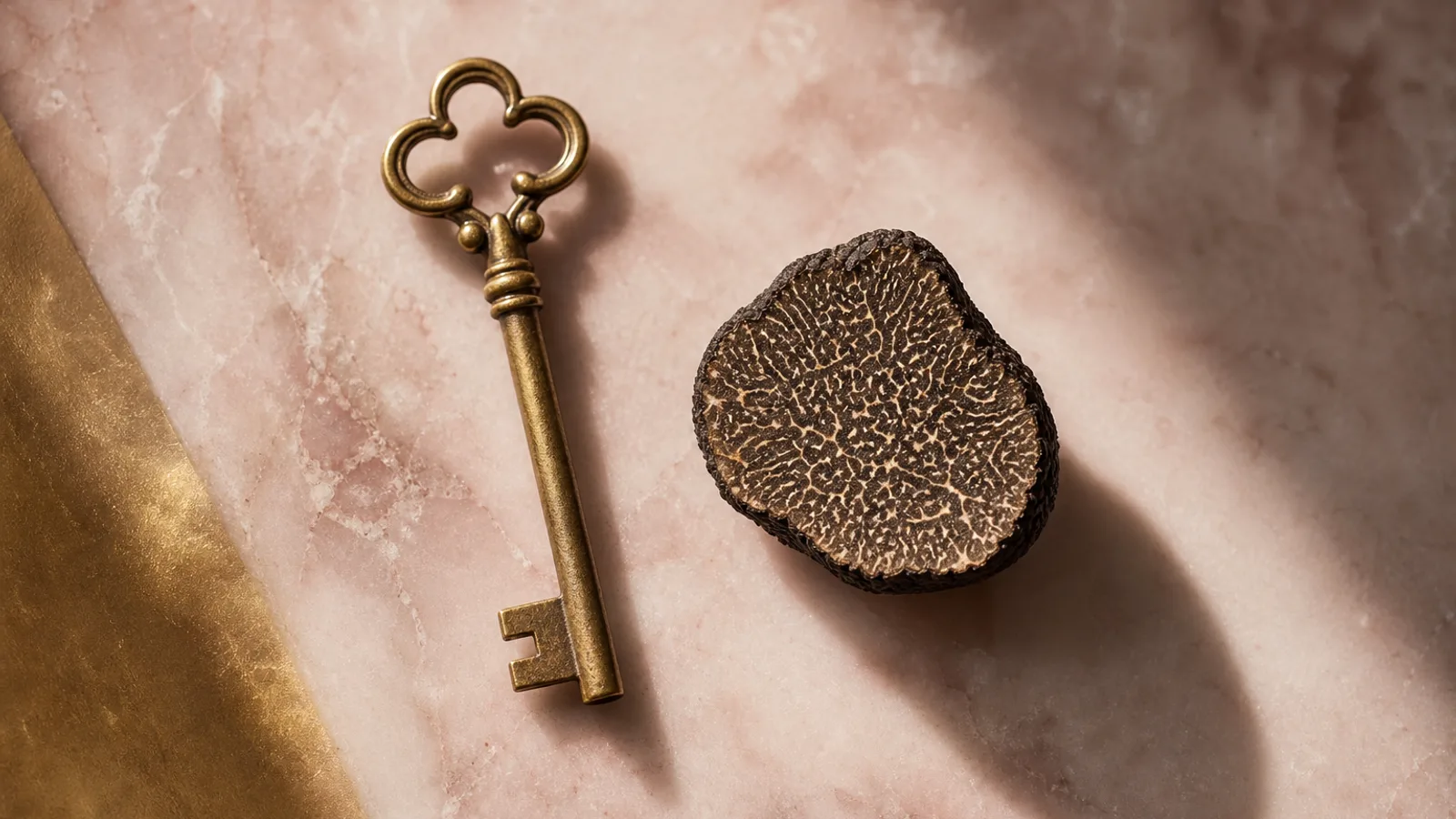
The Peptide Crème is named for them. Its peptides come from the heart of the formula: Australian black truffle, which we hand harvest with our truffle dogs from Sabina's own grove in a 35 million year old meteor crater in Australia, then bio-ferment. Fermenting breaks the truffle's proteins down into smaller peptides and amino acids, so The Peptide Crème is naturally rich in them. It is the world's first bio-fermented black truffle skincare.
Around those peptides sits everything dry skin needs: sodium hyaluronate for that dewy finish, sacha inchi and safflower seed oils for a soft, nourished feel, and Kakadu, Illawarra and Burdekin plums with goji berry for vitamins.
For the eye area, The Eye Crème adds acetyl hexapeptide-8 to the same bio-fermented truffle, along with a gentle amount of retinol.