Every few years skincare picks a new darling. Right now it is GHK-Cu, the copper peptide with a fan club, a blue tinge and a lot of very confident videos. Our founder, Sabina, tried it. She was, in her own word, disappointed. So we went digging to see whether the research has actually lived up to the hype.
What GHK-Cu is
GHK is a tiny peptide made from three amino acids: glycine, histidine and lysine. It loves copper, and when the two bind together you get GHK-Cu. It was discovered in human blood plasma in 1973 by researcher Dr Loren Pickart, and his work suggests the amount in our blood falls as we age. Which, naturally, made it very interesting to anyone selling anti ageing creams.
What the research shows
In the laboratory, GHK-Cu looks impressive. In cell and animal studies it has been linked to wound healing, collagen production, antioxidant activity and changes in the activity of a great many genes. Pickart and his colleagues have published extensive reviews of this work.
The trouble starts when you move from a petri dish to a face. Human studies on ageing skin are mostly small, short, and in many cases connected to the companies or scientists with an interest in the ingredient. Several of the facial studies often quoted online were presented at conferences rather than published in full, which makes them hard to check.
One of the better designed human trials is telling. Patients recovering from laser resurfacing were randomly given aftercare with or without a copper peptide product. The copper peptide group were more satisfied with their skin, but the objective measures, such as redness, wrinkles and overall skin quality, showed no significant difference.
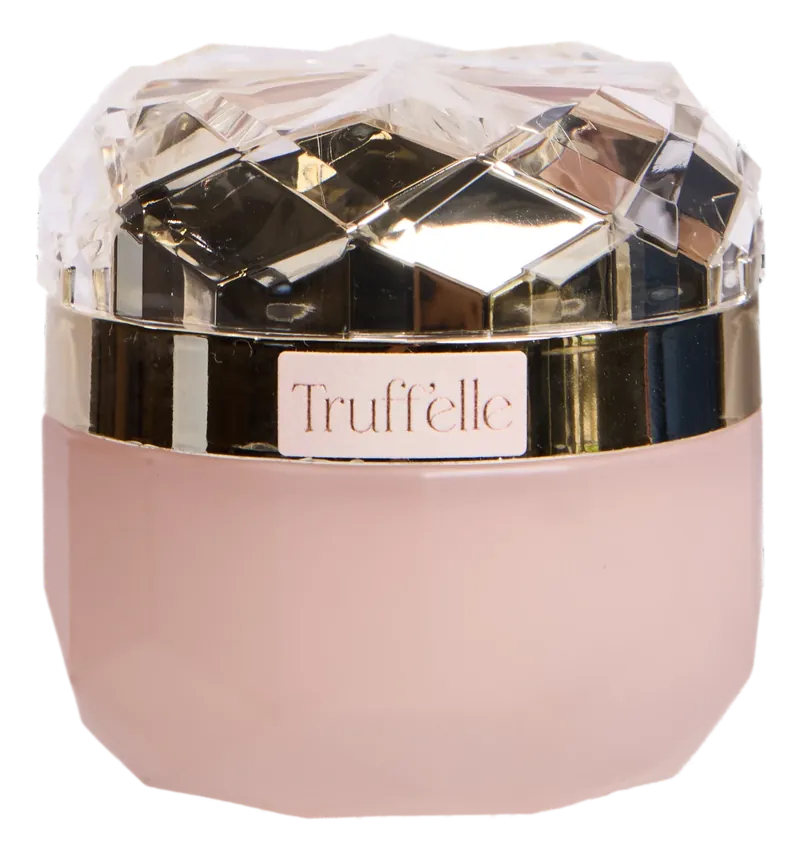
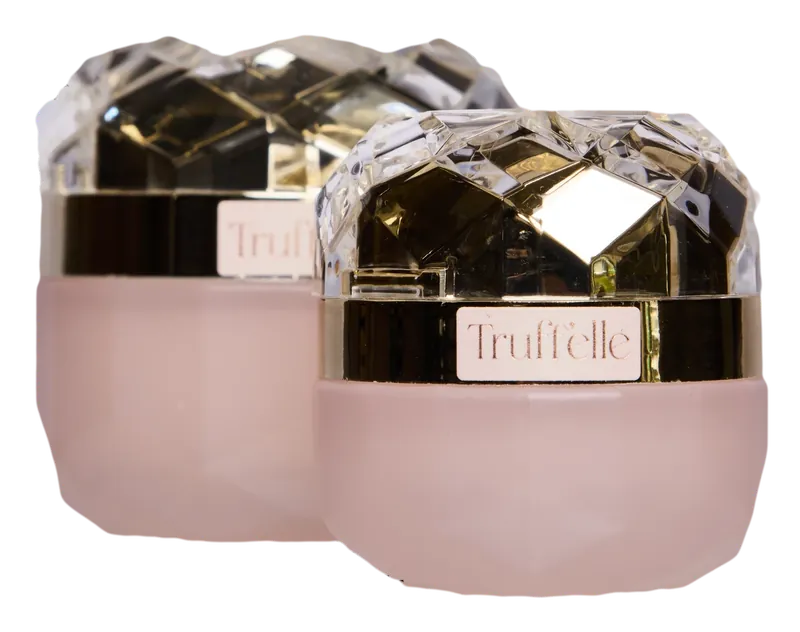
The Peptide Crème to renew, hydrate, strengthen and protect. The Eye Crème for fine lines and tired looking eyes. Or both together in the Black Diamond Duo.
"I tried it and was disappointed"
Sabina's experience is a familiar one. She tried GHK-Cu with high hopes, and her verdict was simple: disappointed. She didn't see the change the hype had promised.
That doesn't mean GHK-Cu does nothing. It means the gap between laboratory promise and real world results on menopausal skin hasn't been closed by good evidence yet. Lab results on cells are a starting point, not a finish line. It's the same standard we hold ourselves to: our Black Truffle Science page tells you which findings come from the lab and which come from women using our creams.
Should you try it?
If you're curious and your skin is happy, there's no strong reason not to. Copper peptides are generally well tolerated. A few sensible notes:
- Introduce it on its own. Add one new product at a time so you know what's helping, and what's stinging.
- Be careful stacking actives. Using copper peptides, strong acids, vitamin C and retinol all at once is a fast route to irritated skin. Spread them across morning and night, or alternate days.
- Give it time, then be honest. Use it consistently for at least two months. Take photos in the same light at the start and the end. If you can't see a difference, you have your answer.
- Don't pay for hype. A serum's price, or its follower count, tells you nothing about the evidence.
What has stronger evidence
If you want ingredients with more science behind them, start with sunscreen every morning, a retinoid at night, and consistent, deep hydration. That's exactly why The Eye Crème pairs a gentle amount of retinol with a well studied peptide, and why The Peptide Crème is built around hydration. Less hype, more of what works.