Yes, sunscreen goes over moisturiser. Apply your moisturiser first, let it settle for a few minutes, then apply broad-spectrum sunscreen as the last skincare layer. Put makeup on only after the sunscreen has set. Moisturiser is the comfortable base, and sunscreen is the protective top layer.
If you are in perimenopause or menopause, you may have noticed that the sunscreen you wore happily for years now pills, feels tight or sits badly under makeup. Skin that has become drier and more reactive is less forgiving of a rushed routine. In most cases the problem is order, amount and timing, not the sunscreen itself.
This guide sets out the morning order step by step, how long to wait between layers, where Truff'elle's The Cream fits, how to handle the eye area when retinol is involved, and how to fix pilling, shine and stinging. It is a calm, practical approach built on fewer, well-chosen steps.
Key Takeaways
- The order is moisturiser first, sunscreen second, makeup last.
- Let moisturiser settle for a few minutes before sunscreen, then let sunscreen set before makeup.
- Cancer Council Australia advises applying sunscreen about 20 minutes before going outdoors and reapplying every two hours.
- Most pilling and tightness come from using too much product or layering too quickly, not from a faulty sunscreen.
- Any broad-spectrum SPF you like and will wear daily is the right one. Truff'elle does not sell sunscreen.
- Change one thing at a time, so you know what is helping and what is not.
The Peptide Crème to renew, hydrate, strengthen and protect. The Eye Crème for fine lines and tired looking eyes. Or both together in the Black Diamond Duo.
Summary Table
| Step | What it is for | Timing note |
|---|---|---|
| 1. Gentle cleanse | Removes overnight residue without stripping | Use lukewarm water and pat dry |
| 2. Moisturiser (The Cream) | Comfort and softness for face and neck | Press in, then let it settle for a few minutes |
| 3. Eye care, if you use it | Targeted care around the eyes | Follow the label directions for your eye product |
| 4. Broad-spectrum sunscreen | Daily sun protection, the top skincare layer | Allow it to set before makeup, and apply before heading outdoors |
| 5. Makeup | Colour and finish | Thin layers over set sunscreen |
| 6. Top-ups | Sun protection through the day | Reapply as directed; powder or spray SPF over makeup |
Why does sunscreen go over moisturiser?
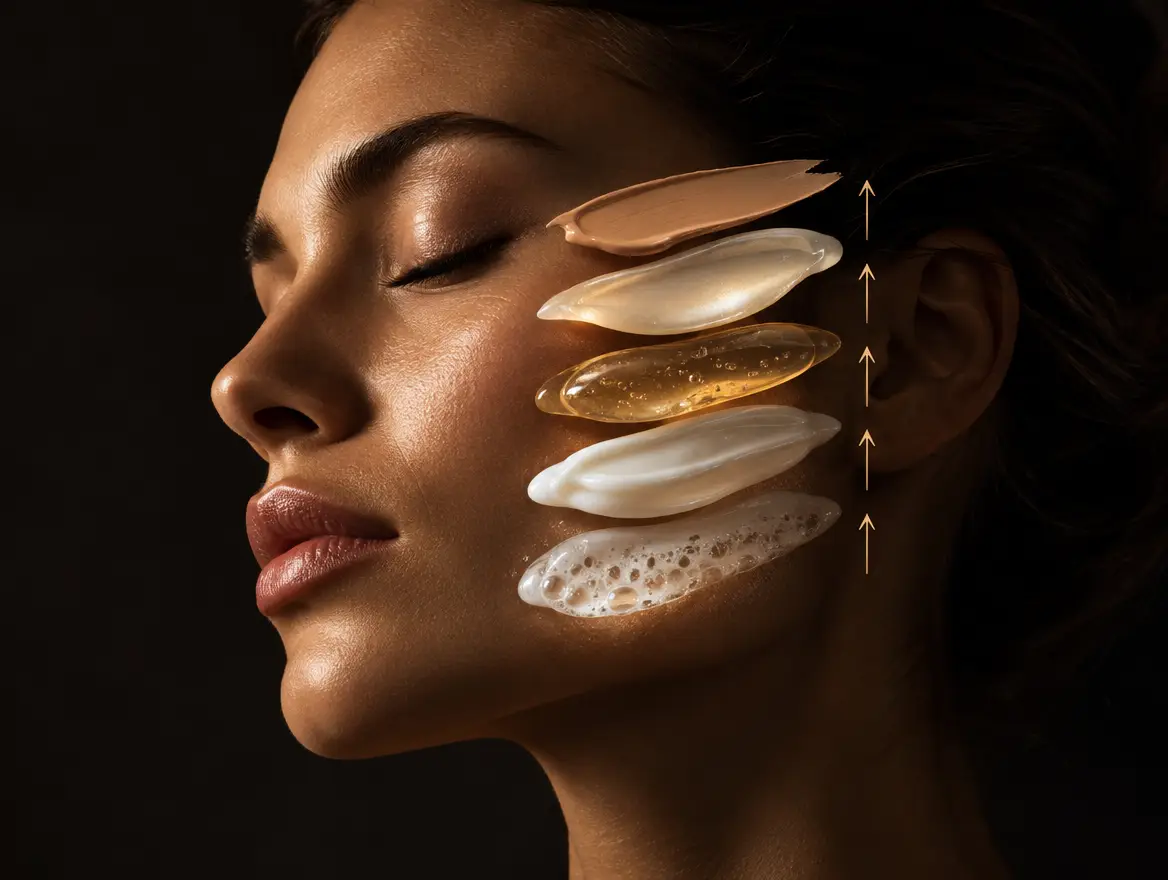
Sunscreen goes over moisturiser because skincare generally layers from thinnest to thickest texture, and sunscreen protects best as the top skincare layer. Moisturiser underneath keeps skin comfortable. Sunscreen on top means nothing else is applied over it that could disturb it before you step outside.
The logic is simple. Your moisturiser's job is comfort. Your sunscreen's job is protection. Protection should be the layer facing the sun, so it comes last in your skincare, with makeup being the only thing that follows.
There is a practical reason too. If you apply moisturiser on top of sunscreen, you are rubbing over a layer that was meant to stay put. That can leave the coverage patchy. It can also make the whole face feel greasy.
Why does this matter more now? As oestrogen falls through perimenopause and menopause, many women find their skin gets drier and more reactive. Dry skin has less tolerance for thick, sticky layers. It tends to feel tight under sunscreen, which is why women often say their sunscreen suddenly "stopped working" for them. It usually did not. The skin underneath simply changed.
Moisturiser before sunscreen: the thinnest-to-thickest rule
Most moisturisers and sunscreens differ in texture, but the rule of thumb is to put on lighter layers first. A cream that sinks in goes down before a sunscreen that sits on the surface. If your moisturiser is richer than your sunscreen, which is common with dry skin, you can still apply the moisturiser first. The key is that it has settled and is no longer wet to the touch.
How long should you wait between moisturiser and sunscreen?
Wait a few minutes after moisturiser, until your skin feels comfortable rather than wet or slippery. Then apply sunscreen. After that, let the sunscreen set before makeup. Cancer Council Australia advises applying sunscreen about 20 minutes before going outdoors, so do it early in your routine.
Here is how to use that guidance in a real morning.
- Cleanse, then apply your moisturiser.
- Do something else for a few minutes. Make tea, feed the dog, choose your clothes.
- Touch your cheek lightly. If it feels slick or damp, wait a little longer. If it feels soft and settled, apply sunscreen.
- Apply sunscreen, then give it time to set before makeup.
- Before you leave the house, make sure the sunscreen has had time on your skin.
According to Cancer Council Australia (https://www.cancer.org.au/cancer-information/causes-and-prevention/sun-safety/sunscreen), sunscreen should be applied about 20 minutes before going outdoors and reapplied every two hours, and more often after swimming, sweating or towel drying. The 20-minute guidance is why sunscreen is best done before makeup and before you are out the door, not as a last-minute step.
The same Cancer Council guidance recommends a broad-spectrum, water-resistant SPF30 or higher. SunSmart advises sun protection when the UV index is 3 or above. Check the UV forecast through the SunSmart app or the Bureau of Meteorology, because the index varies by state and season.
What if I am in a hurry?
Use less moisturiser rather than skipping the wait. A thin layer settles faster. Press it in with your palms and fingertips instead of rubbing. Rubbing spreads the product around but does not help it settle, and it is one of the main triggers for pilling.
Where does The Cream fit in a menopause morning skincare routine?
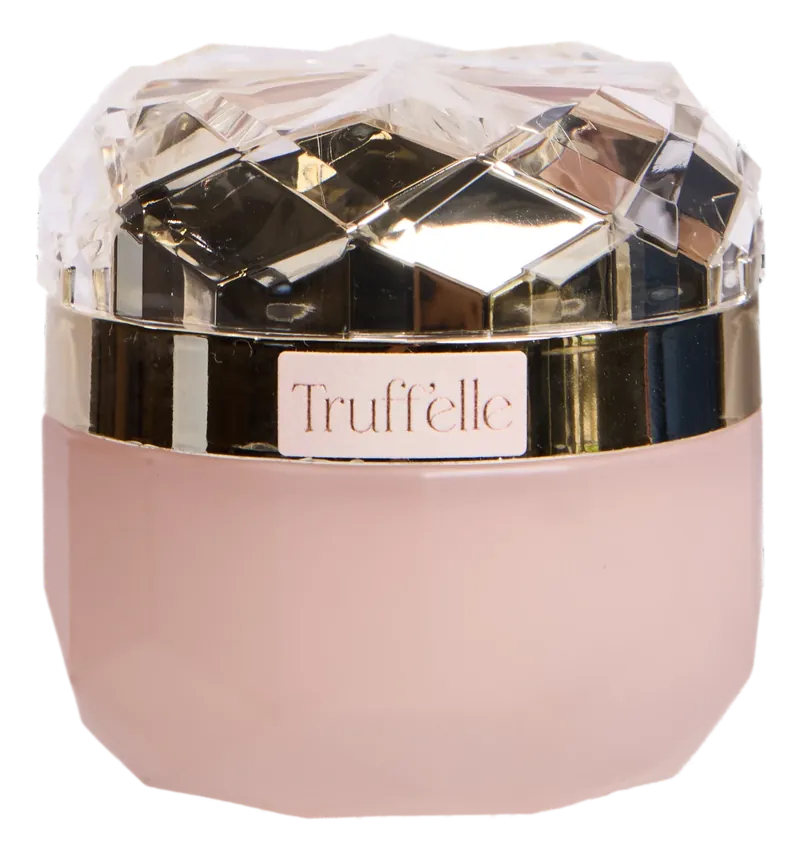
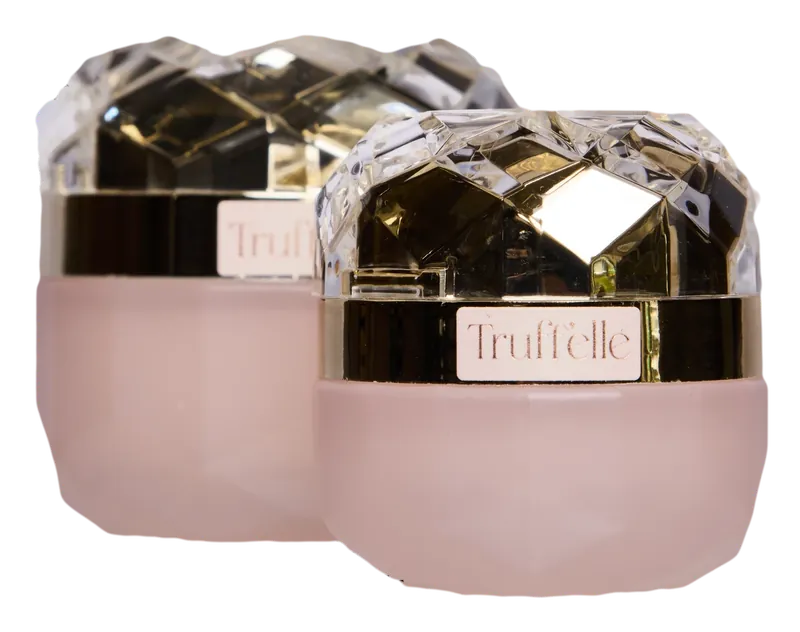
The Cream is the face and neck moisturiser step. Use a modest amount, press it into your face and neck, let it settle for a few minutes, then apply your sunscreen over it, taking the sunscreen down to the neckline. It is one step in a short routine, not a layer to stack.
Truff'elle's approach to morning skincare is a simple routine for changing skin, and it has four parts:
- Cleanse gently, with lukewarm water.
- Moisturise face and neck, in the morning and evening.
- Add targeted eye care if you want it.
- Protect daily with broad-spectrum sunscreen when the UV index is 3 or above.
The core Truff'elle routine has two products: The Cream and The Eye Cream. The range is built around one hero ingredient, bio-fermented Australian black truffle. The brand makes zero clinical percentage claims. Results are described only by how skin feels and looks. With The Cream, the aim is skin that feels comfortable, soft and less tight, not a number on a label.
How to apply The Cream before sunscreen
- Start with a modest amount. You can always add more, but you cannot take it back off without disturbing the layer.
- Warm it between your fingertips, then press it onto your cheeks, forehead, chin and neck.
- Smooth gently downwards on the neck. Do not drag the skin.
- Wait a few minutes. Your skin should feel comfortable and slightly cushioned, not tacky.
- Apply sunscreen over the face and down the neck to the neckline. The neck is easy to miss, and it is exposed to the sun just as much as your face.
Cancer Council Australia's guidance for adults is about a teaspoon of sunscreen for the face, neck and ears. That is more than most people expect. It is also why a thin moisturiser layer underneath matters: if the base is thick, the sunscreen has nothing to grip and slides.
The Cream contains fragrance (Manuka honey). If your skin is reactive, patch test before first use. More on that in the troubleshooting section.
How do you use eye care, retinol and sunscreen together?
The Eye Cream contains retinol, so follow the label directions on when and how often to use it. Daily sun protection matters for anyone using retinol. Apply sunscreen carefully around the eye area, keeping it off the lash line and out of your eyes, and choose a formula that does not sting you.
This is where a small amount of care pays off. The skin around the eyes is thin, and retinol can make skin feel more sensitive to begin with. The Eye Cream should be introduced gradually, as the directions advise, and sunscreen is part of using it well by day.
A few practical points:
- Apply eye care first, then let it settle, then apply sunscreen around the orbital bone. Think of the bony edge of the eye socket as your guide.
- Dab sunscreen on with a fingertip instead of dragging it across the lid.
- If a particular sunscreen stings near your eyes, do not push through. Try a different formula. Sunscreen sticks work well for some people in this area.
- If your eye product asks you to use it at certain times, follow that. Do not combine it with other new products at the same time.
This is the "one change at a time" principle in action. If you are adding an eye cream, do not also switch your sunscreen and your moisturiser that same week. If your eyes sting, you will not know which product caused it.
How do you wear sunscreen under makeup on dry skin?
Apply sunscreen first, let it set, then use thin layers of makeup on top. On dry skin, press products on with fingertips or a slightly damp sponge instead of rubbing, and keep powder to where you need it. Use powder or spray SPF for top-ups over makeup.
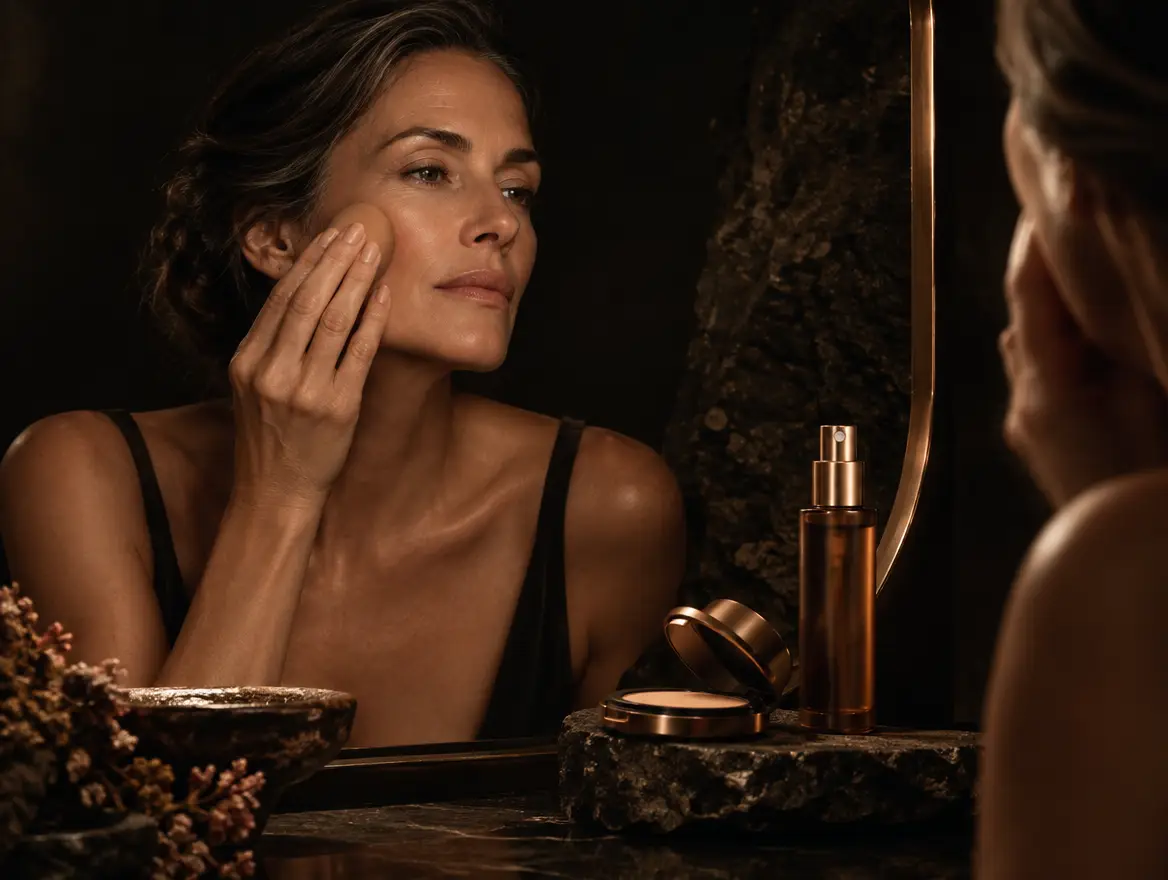
Makeup tends to look its worst on dry skin when too many layers are stacked on quickly. Each additional layer adds a chance for pilling, flaking or a cakey look. The fix is fewer, thinner layers and enough time between them.
A simple order for dry, changing skin
- Moisturiser, pressed in and settled.
- Sunscreen, applied evenly and allowed to set.
- Primer only if you already use one and it works for you. Many women find they no longer need it.
- Base makeup in thin layers. Build coverage only where you want it.
- Powder only on areas that tend to shine, such as the T-zone.
Tinted moisturisers and skin tints can be a good match for dry skin because they are lighter than full-coverage foundation. They do not replace sunscreen unless they are specifically labelled and applied as a sunscreen at the recommended amount.
Our Makeup for Menopausal Skin guide goes deeper on products and technique, including how to prep skin so makeup sits more evenly.
Topping up SPF over makeup
Reapplying a full layer of sunscreen over makeup is awkward. This is where powder SPF and spray SPF are useful. They are a convenient top-up, and they are better than nothing when you are out for the day. They do not replace the sunscreen you applied at the start. Think of them as a top-up on top of a properly applied base layer, not a substitute for one.
If you are outside for long periods, Cancer Council Australia's two-hourly reapplication guidance still applies. Plan for it. Keep a SPF powder or spray in your bag, and reapply when you take a break.
How do you fix pilling, shine and stinging?
Use less product, wait longer between layers, and add one new product at a time. Pilling usually means too much product or too little settling time. Shine often means the base layers are too heavy. Stinging means stop, rinse, and reassess before trying again.
| Problem | Common cause | What to try |
|---|---|---|
| Pilling (little rolls of product) | Too much product, or layering before the last step has settled | Use less, press in, wait longer, avoid rubbing |
| Shine by midday | Layers too heavy or too many | Thinner moisturiser layer, powder only where needed |
| Tightness under sunscreen | Skin not comfortable before sunscreen went on | Moisturise first, allow it to settle, then apply sunscreen |
| Stinging or redness | A new product, fragrance or an ingredient your skin dislikes | Stop, rinse with lukewarm water, patch test, change one thing at a time |
| Makeup separating | Sunscreen not set, or too many layers | Wait longer, use thinner makeup layers, press instead of rub |
Pilling
Pilling is the most common complaint, and it is rarely the sunscreen's fault. It happens when product is pushed around instead of absorbed. Use a smaller amount of moisturiser. Wait a few minutes. Press sunscreen on instead of rubbing it in circles. If it still pills, check whether your moisturiser and sunscreen are very different in base. Switching only the sunscreen is often the fastest fix, but make that your only change for several weeks.
Shine
Shine can appear when skin is dry underneath and your skin is compensating, or when you have applied too much. Try halving the amount of moisturiser and see whether skin still feels comfortable. Then use powder only on the areas that shine.
Stinging
Stinging is your skin telling you something. Rinse the area with lukewarm water. Pause new products. Seek advice from a pharmacist, GP or dermatologist for anything persistent. Sunscreen ingredients, fragrance and retinol can each be a trigger for reactive skin, which is why changing only one thing at a time is so useful.
If your skin barrier feels compromised, our Menopause Skin Barrier Care guide covers how to calm things down before adding anything back.
Can you mix sunscreen with moisturiser or use an SPF moisturiser instead?
It is better to apply them separately. Mixing the two in your palm dilutes the sunscreen and makes it harder to apply an even, adequate layer. An SPF moisturiser can work for light days if applied generously, but a dedicated broad-spectrum sunscreen over moisturiser is the more reliable option.
Sunscreens sold in Australia are regulated as therapeutic goods by the Therapeutic Goods Administration (TGA), and their SPF ratings rely on being applied at a standard amount. That is the point of separate layers: you can control how much sunscreen goes on. When you mix products, you cannot tell how much sunscreen is actually reaching your skin.
Combination SPF moisturisers have a place. If you will only ever wear one product in the morning, an SPF moisturiser is better than none. But many people apply less of a moisturiser than the amount that sunscreen needs, which means less protection than the label suggests. For daily wear, separate layers give you more control.
Why a shorter shelf suits changing skin
We hold a view that runs against much of the beauty industry: skin that is changing is better served by fewer, well-chosen steps, added one at a time, than by a bigger shelf and stronger actives. The reasoning is straightforward. As oestrogen falls, skin can become drier and more reactive, so every extra product raises the chance of irritation.
Truff'elle founder Sabina Kelley reached her forties and found her skin changing. It was drier and less comfortable, and the routine and luxury products she had relied on for years no longer felt right. She did not respond by adding more. She worked with cosmetic chemist Raniya M. Bodoci to build a deliberately small range around bio-fermented Australian black truffle: one face and neck cream and one eye cream. That is the whole core routine.
The same thinking applies to your morning. A common mistake is trying to fix pilling by adding a primer, then a different serum, then a new sunscreen, all in the same week. Then nothing can be traced. Consider a woman whose sunscreen pills every morning. She can either change five things and hope, or change one thing, give it several weeks, and note how her skin feels in the same light. The second approach is slower and almost always more informative.
One change at a time looks like this:
- Patch test before first use.
- Introduce one new product at a time.
- Give it several weeks and note how your skin feels in the same light.
- Stop if irritation occurs, and seek advice for anything persistent.
Another point worth stating plainly: Truff'elle does not sell sunscreen, and we are not going to pretend otherwise. Choose any broad-spectrum SPF you like, as long as you will actually wear it every day. The best sunscreen is the one that feels comfortable enough that you do not skip it. Start with how your skin feels today, not an age printed on a jar.
If you want a place to begin, build a simple morning routine around The Cream as your comfortable moisturiser step, then finish with your favourite broad-spectrum sunscreen. If you are curious about the later years, our Skincare Routine at 60 guide applies the same principle: a little more understanding, a little less complication.