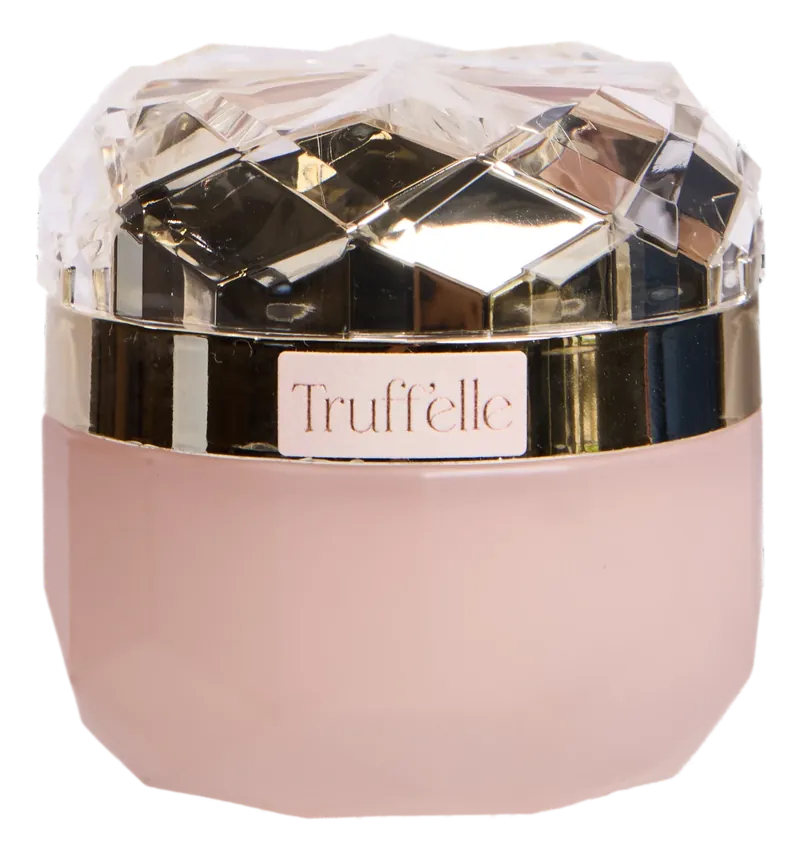
For menopause skincare in winter, adjust your routine rather than adding to it. Cleanse gently with lukewarm water, apply a comfortable moisturiser generously to slightly damp skin, add a little extra on dry areas at night, and wear sunscreen in the morning. Keep heaters and hot showers in check, and change one thing at a time.
If you are in perimenopause or menopause and living somewhere cool, you may have noticed it already. The routine that felt fine in March feels wrong by late June. Your face feels tight after washing, your cheeks look a little rough, and the heater seems to undo whatever you put on that morning.
This guide explains why winter is harder on changing skin, how to spot the signs, and what to adjust at home. It also covers a simple routine, careful eye-area care, and what to leave on the shelf until spring. We are not going to ask you to buy a winter wardrobe of products. Most of the work is subtraction.
Key Takeaways
- Cold wind outside, dry heated air inside and hot showers all strip comfort from skin that may already be drier than it used to be.
- Tightness after cleansing, rough patches, makeup that sits poorly and a dry eye area are the clearest signs your routine needs a winter adjustment.
- Your environment matters as much as your products: heater placement, shorter lukewarm showers and a clean humidifier all help.
- A simple winter routine is a gentle cleanse, a comfortable cream on slightly damp skin, a little extra at night on dry areas, and morning sunscreen.
- Eye products with retinol need a slow start: evenings only, a few nights a week, daily SPF, and no other new actives at the same time.
- Until spring, skip harsh exfoliants, stripping foaming cleansers and the urge to add several new products at once.
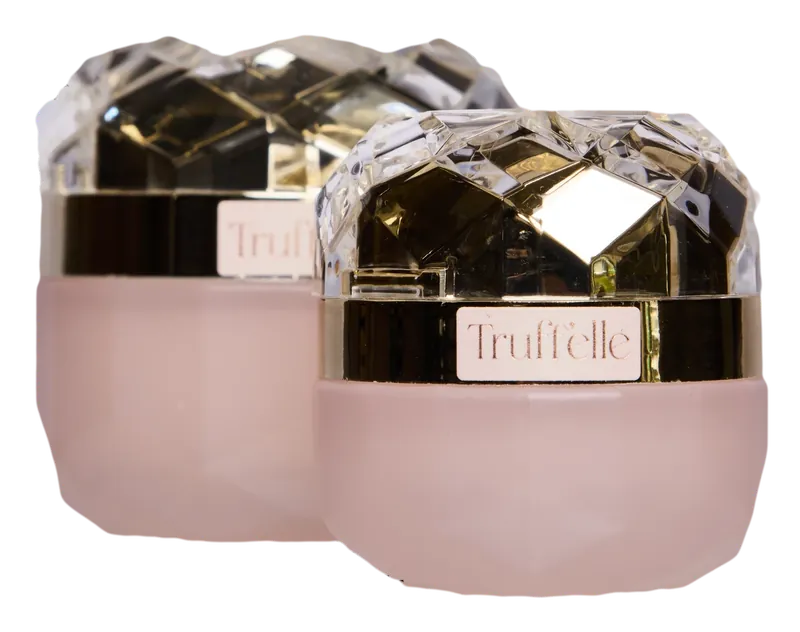
The Peptide Crème to renew, hydrate, strengthen and protect. The Eye Crème for fine lines and tired looking eyes. Or both together in the Black Diamond Duo.
Summary Table: Your Winter Adjustments at a Glance
| Area | What winter does | What to adjust | Effort |
|---|---|---|---|
| Cleansing | Hot water and foaming washes leave skin tight | Lukewarm water, gentle cleanse, pat dry | Very low |
| Moisturiser | Lighter summer texture can feel thin | A comfortable cream, applied generously to slightly damp skin | Low |
| Night routine | Overnight heating dries the face | A little extra cream on dry areas | Low |
| Eye area | Thin skin feels dry and papery | Gentle eye care, retinol introduced slowly | Moderate, needs patience |
| Sun protection | Easy to drop when it is grey and cold | Sunscreen each morning | Low |
| Home environment | Heaters and reverse-cycle systems dry the air | Move away from vents, shorter showers, a clean humidifier | Low to moderate |
| New products | Tempting to fix everything at once | One change at a time | Requires discipline |
Why Does Winter Feel Harder on Changing Skin?
Winter feels harder because three things hit at once: cold, dry air outside, heated and often dry air indoors, and long hot showers. Each one pulls moisture and comfort from the skin's surface. If your skin is already becoming drier in perimenopause or menopause, the effect is easier to feel.
Australian winter runs from June to August, and in cooler parts of the country it can mean cold wind, frosty mornings and heaters running from dusk until bed. In Melbourne, Hobart, Canberra, Adelaide and the highlands, many of us move between a cold outdoors and a warm, dry indoors dozens of times a day.
Here is the plain-terms version of what is going on. Skin holds comfort partly through the thin layer of moisture and natural oils on its surface. Cold wind can leave that surface feeling chapped. Heating and reverse-cycle air conditioning warm the air but tend to leave it drier, so the surface of your skin gives up moisture to the room. A very hot shower finishes the job, because hot water and soap rinse away more of those natural oils than lukewarm water does.
Then there is the stage of life. The Australasian Menopause Society and Jean Hailes for Women's Health both describe skin changes as a common part of the menopause transition, and many women notice skin that feels drier. Oestrogen levels fall during this time, and that can change how skin feels from season to season. We make no medical claims here. We are simply describing what many women tell us: the same routine suddenly feels like it is not enough.
Founder Sabina Kelley noticed this herself in her forties. Her skin became drier and less comfortable, and the luxury products she had relied on for years no longer felt right. That is where our view starts: start with how your skin feels today, not with the age printed on a jar.
What Are the Signs Your Skin Wants a Winter Adjustment?
The clearest signs are tightness soon after cleansing, rough or flaky patches, makeup that sits poorly, and a dry, slightly papery eye area. If you notice two or more of these as the weather cools, your routine probably needs a gentler winter version, not a bigger one.
Here is what each sign usually looks and feels like:
- Tightness after cleansing. Your face feels pulled or squeaky within a minute or two of drying it. This is the most reliable early signal.
- Rough patches. Cheeks, around the nose, the jawline and the forehead often feel textured under your fingertips before you see anything.
- Makeup sitting poorly. Foundation clings to dry areas or looks patchy by lunchtime. Our guide, Makeup for Menopausal Skin: How to Prep Dry Skin So Makeup Sits Well, covers prep in detail.
- A dry eye area. The skin around the eyes is thinner, so it often shows dryness first, with fine lines looking more noticeable.
We keep this section short on purpose, because we have already covered the wider picture in Menopause Skin Barrier Care: 7 Signs Your Skin Needs a Simpler Routine. If you want a fuller checklist of what your skin may be telling you, start there and come back.
One caution. If you have persistent itching, redness that does not settle, a rash, or patches that are painful or weeping, see your GP or pharmacist rather than trying to solve it with skincare. Dryness is common. Ongoing irritation deserves a professional look.
How Do You Set Up Your Indoor Environment for Dry Skin?

You can protect dry skin by managing the room as well as the routine. Keep heaters pointed away from your face, take shorter lukewarm showers, add a clean humidifier if the air feels dry, and drink water regularly. None of these costs much, and together they reduce the daily stress on your skin.
Most winter skin advice starts with a product. We would rather start with the room, because a good cream has to work against a heater all day if you do not.
Heater placement and reverse-cycle air conditioning
Warm, dry air blowing directly at your face is one of the quickest ways to leave skin feeling tight. A few simple habits help:
- Move your desk chair, sofa or bed so the vent is not aimed at your face or neck.
- Choose a lower, steadier setting rather than blasting the room hot and then switching off.
- Avoid sitting right beside a gas heater or fan heater for long stretches.
- Keep your bedroom a little cooler overnight if you can. Sleeping in a hot, dry room often shows up as a tight face in the morning.
Reverse-cycle systems are efficient and very common in Australian homes, but they do dry the air. If you live with one running all day, the next few points matter even more.
Shorter, lukewarm showers
A long, steaming shower feels wonderful on a frosty morning, and it is one of the habits that most often undoes a good routine. Hot water leaves skin feeling stripped, and face skin is more delicate than the rest of the body.
Try this: keep the shower shorter, bring the temperature down to lukewarm, and wash your face at the end rather than standing under the hot spray. Pat your face with a soft towel. Do not rub. Then apply your cream while the skin is still slightly damp.
A humidifier, used carefully
A humidifier adds moisture back into the room, which can make heated indoor air feel more comfortable. It is most useful in the bedroom overnight, or at a desk where you spend long hours.
A word of caution: a humidifier that is not cleaned regularly can harbour mould and bacteria. Follow the manufacturer's cleaning instructions, change the water daily, and stop using it if the room starts to feel damp. A small bowl of water near a heater is a low-tech option, though much less effective.
Drinking enough water
Drinking enough water is good for general wellbeing, and many of us drink less in winter because we are not feeling hot or thirsty. We will not claim that a glass of water cures dry skin, because it does not work like that. Think of it as one part of looking after yourself, alongside the changes above. Warm herbal tea counts, and so does water from the tap.
What Does a Simple Winter Routine Look Like?
A simple winter routine has four steps: cleanse gently with lukewarm water, apply a comfortable cream generously to slightly damp face and neck, add a little extra on dry areas at night, and finish with sunscreen in the morning. Two core products are enough. The skill is in how you use them.
This is our framework, A simple routine for changing skin, adapted for winter. It is built on a belief we hold strongly: changing skin is usually better served by fewer, well-chosen steps than by a crowded shelf. It is a little more understanding and a little less complication.
Step 1: Cleanse gently
Use lukewarm water and a gentle cleanser that leaves your face feeling comfortable, not squeaky. If your skin feels tight within a minute of drying it, the cleanser or the water temperature is too harsh for winter. In the morning, many women with drier skin find that rinsing with lukewarm water is enough. At night, cleanse once, properly but briefly, to remove sunscreen and makeup.
Step 2: Apply The Cream to slightly damp skin
Do not wait until your face is fully dry. Pat gently with a towel, leave a little dampness, then apply The Cream to your face and neck. Applying to slightly damp skin helps a cream spread more easily and feel more comfortable. Be generous. In winter, a thin smear is rarely enough, and many of us under-apply because we are used to lighter summer textures.
The Cream is built around bio-fermented Australian black truffle, our one hero ingredient. Its formula also includes Kakadu, Illawarra and Burdekin plum extracts, sodium hyaluronate and plant oils, and it contains fragrance (Manuka honey). Because of that fragrance, patch test before your first full use, particularly if your skin is sensitive. If you are curious about how humectants like sodium hyaluronate fit into a routine, our post Hyaluronic Acid for Menopausal Skin explains it plainly.
We describe the results in the way our customers do: skin that feels more comfortable, softer and less tight. We make 0 clinical percentage claims, because we have not published clinical trial data and will not imply any.
Step 3: Add a little extra on dry areas at night
At night, after your usual layer, press a little more cream onto the places that dry out most. For most people that means cheeks, around the nose, the jawline and the sides of the neck. Press it in rather than rubbing. You do not need a separate heavy product, just a bit more of the same comfortable cream where your skin asks for it.
Step 4: Finish with sunscreen in the morning
Winter sun is easy to forget. The sky is grey, you are wearing a scarf, and it does not feel like sun weather. But UV does not disappear. Cancer Council Australia recommends sun protection when the UV index reaches 3 or above, and you can check the daily level in the SunSmart app or on the Bureau of Meteorology website. In many cooler parts of Australia the UV index drops below 3 for parts of winter, but it still climbs on clear days and in alpine areas, and it matters most if you are using a retinol product.
The simplest approach: make a broad-spectrum sunscreen your last morning step, and check the UV index on days you will be outside for long.
Use the One change at a time approach
Whenever you try something new, we suggest a short method we call One change at a time:
- Patch test before first use.
- Introduce one new product at a time.
- Give it several weeks and note how your skin feels in the same light.
- Stop if irritation occurs, and seek advice for anything persistent.
This matters more in winter, when skin is already working hard. If you change your cleanser, cream and eye care in the same week and your skin reacts, you will not know which one was responsible.
If you would rather try before committing, The Cream is also available in a smaller Discovery size with the same formula. That way you can judge it by how your skin feels in daily use, not by a promise on the label.
How Should You Care for the Eye Area in Winter?
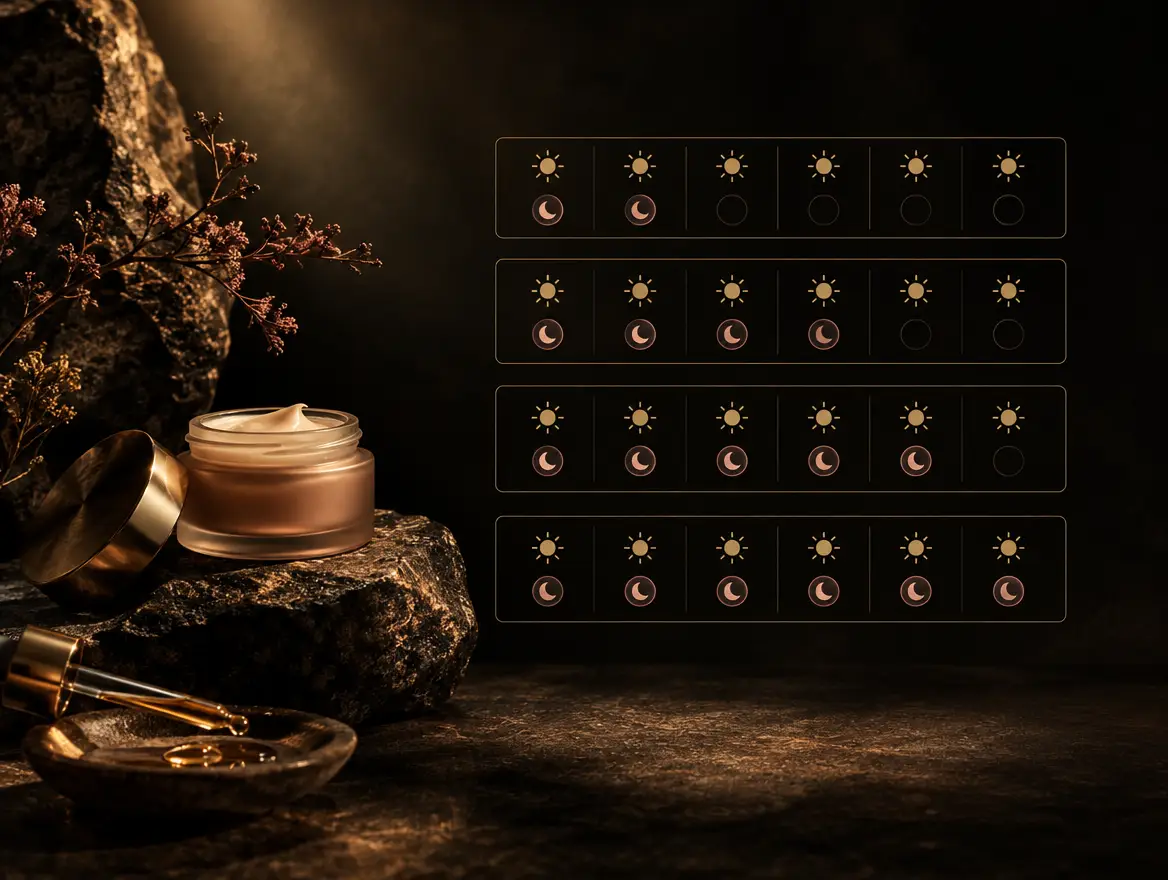
The eye area is thinner and often shows winter dryness first. If you want targeted eye care, introduce it slowly: evenings only, a few nights a week at first, with sunscreen every morning. Our Eye Cream contains retinol, so pause if irritation occurs and avoid starting other new actives alongside it.
Not everyone needs an eye cream. If you are wondering whether you do, our post Do I Need an Eye Cream? walks through that question honestly. Many women are comfortable with their face cream gently pressed around the orbital bone. Others like a dedicated step, particularly in winter when the skin around the eyes can feel dry and papery.
The Eye Cream is our second core product (the routine is 2 products in total). It contains retinol, acetyl hexapeptide-8, sodium hyaluronate, caffeine and black truffle extract. Because retinol is an active ingredient, it deserves a careful start.
How to introduce it
- Patch test first. Try a small amount on the inner forearm or behind the ear, and wait before applying near your eyes.
- Evenings only. Do not use it in the morning.
- Start with a few nights a week. For example, one or two evenings in the first week, then increase slowly if your skin is comfortable. Let your skin set the pace, not the calendar.
- Use a small amount. Dab it gently around the orbital bone and avoid getting it into your eyes or on the lids.
- Wear sunscreen every day. Retinol can make skin more sun-sensitive.
- Keep everything else steady. Do not start any other new active, such as a new acid or exfoliant, at the same time.
If you notice stinging, redness, flaking or tightness that does not settle, pause. Go back to your face cream alone, let the area calm down, and speak to a pharmacist or doctor if it persists. If you are pregnant, breastfeeding or unsure whether retinol suits you, check with your doctor first.
Winter is a perfectly fine time to begin, as long as you are patient. It is also fine to wait until spring if your skin feels reactive right now. There is no prize for starting early.
What Should You Skip Until Spring?
Until spring, skip harsh exfoliants, stripping foaming cleansers and the habit of adding several new products at once. Each can leave dry, changing skin feeling more tight and reactive. Pausing them costs you nothing, and your skin will usually feel more comfortable within a few weeks of a gentler routine.
Harsh exfoliants
Scrubs, strong acids and rough cloths promise smoother skin, but on winter-dry skin they often leave it feeling raw and tight. If you have been using an exfoliant regularly, consider pausing it until the weather warms. Dry flakes are better handled by gentle cleansing and a comfortable cream than by scrubbing them off.
Stripping foaming cleansers
A big, squeaky foam may feel clean, but that clean-and-tight feeling is the signal you do not want in winter. Switch to a gentler cleanser, or rinse with lukewarm water in the morning. If you want more on why a pared-back approach works, our barrier care guide covers it in depth.
Several new products at once
Winter often brings the urge to fix everything: a new serum, a new mask, a new acid, a new oil. The result is a shelf full of products and no idea which ones help. We would rather you pick one change, give it several weeks, and watch how your skin feels in the same light each day.
A quick "skip or keep" list
- Skip until spring: scrubs, strong peels, foaming washes that leave skin squeaky, very hot water on the face.
- Keep: a gentle cleanse, a generous cream, morning sunscreen, and any single new step you are introducing slowly.
Why I Would Rather You Buy Nothing New This Winter
The usual advice for dry winter skin is to add: a richer cream, an oil, a hydrating mask, a serum underneath. We take the opposite view. For most women in perimenopause and menopause, the better winter fix is subtraction, and the reasoning is simple.
Skin can become drier and more reactive as oestrogen falls. Stacking new actives onto that skin raises the chance of irritation. And when irritation arrives in July, it looks exactly like winter dryness, so you add even more product to fix it. It becomes a loop.
Consider a hypothetical reader. She is 52, living in Ballarat, and her face feels tight every evening. She buys a new foaming cleanser to feel properly clean, a vitamin C serum for dullness, and an exfoliating mask once a week. Three weeks later, her face is more tight, not less, and she is not sure what to blame. The fix was never another product. It was a shorter shower, a gentler cleanse, and a cream applied more generously.
This mirrors what founder Sabina Kelley found in her own forties. Her skin got drier and less comfortable, and the routine she had always trusted stopped feeling right. The answer was not a bigger shelf. She worked with Melbourne cosmetic chemist Raniya M. Bodoci to build a deliberately small range around one hero ingredient, bio-fermented Australian black truffle: one face and neck cream, one eye cream, and a Discovery size to begin with. We call our formulation approach Master Key, and it is exactly that: an approach to ingredient choice, combination and the feel of the finished cream, not a proven mechanism or a guaranteed result.
There is a second reason we are cautious. Many brands lean on ingredient-study numbers to suggest what a jar will do. Our view is that research on an extract is a starting point for formulation, not a promise from a finished jar. Results depend on the whole formula, how you use it and the person using it. That is why we describe benefits only as comfort, softness and how skin looks and feels, and why our clinical percentage claims stand at 0.
The third part of our view is about labels. How your skin feels today matters more than an age printed on a jar. Women reach perimenopause and menopause at different ages with different skin changes, so a number on the packaging says little about what you need in July.
So here is our challenge for this winter. Before you buy anything, spend two weeks fixing the environment, the shower and the cleanse. Then see how your skin feels. You may find you need much less than you thought.
References
- Cancer Council Australia, SunSmart: UV index and sun protection
- Bureau of Meteorology, Ultraviolet (UV) index
- Australasian Menopause Society, information for women about menopause
- Jean Hailes for Women's Health, menopause resources
- Healthdirect Australia, Menopause
Ready to simplify your winter routine?
If your skin feels tight and your shelf feels crowded, start small. Cleanse gently, apply The Cream generously to slightly damp face and neck, add a little extra on dry areas at night, and finish with sunscreen each morning. That is a routine for the years it changes, built on a little more understanding and a little less complication.
If you want targeted eye care, The Eye Cream is an optional evening step. It contains retinol, so introduce it gradually: a few nights a week at first, daily SPF, and one change at a time.