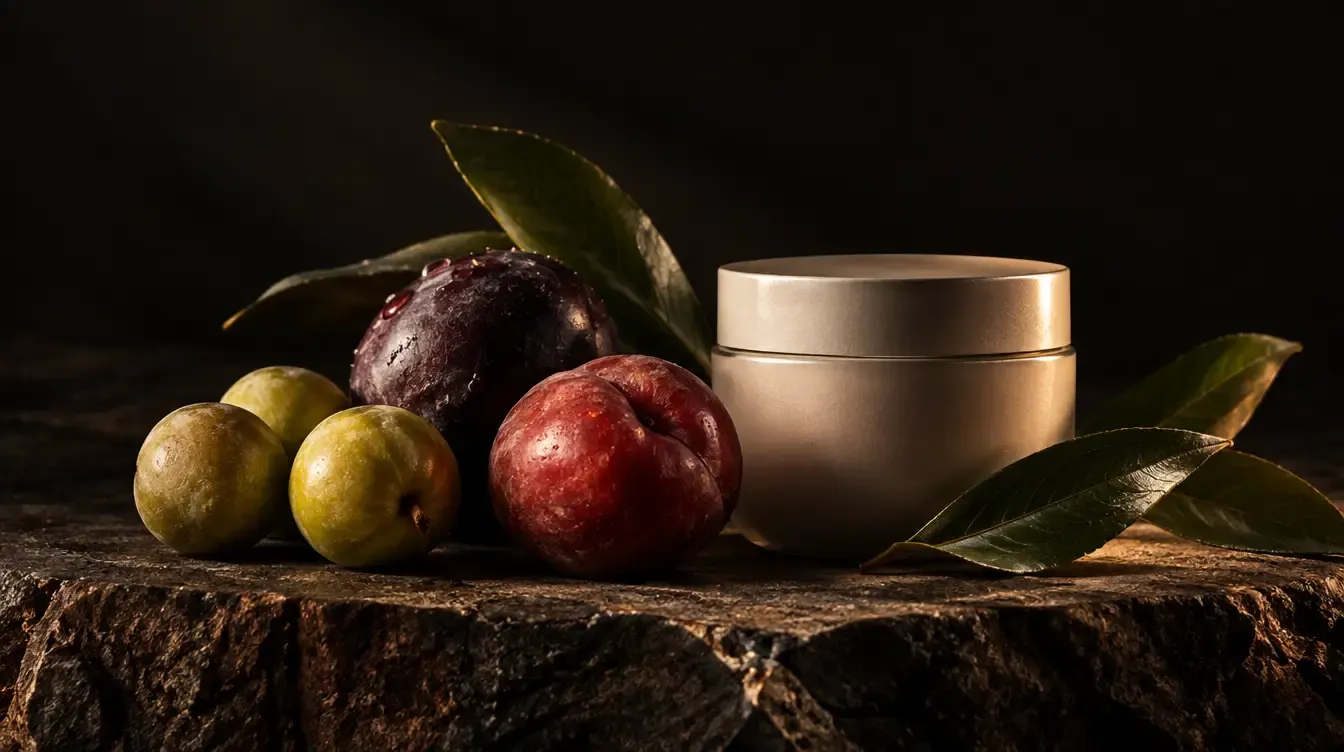
Kakadu plum skincare uses extract from an Australian native fruit known as a rich natural source of vitamin C and antioxidants. Cosmetically, it is used to help skin look brighter and more even. Illawarra and Burdekin plum are positioned similarly. What matters most is the whole formula and how it feels on your skin.
If you have started noticing native plums on labels, you are not imagining it. They appear on serums, creams and masks, usually with a lot of enthusiasm. If your skin is changing through perimenopause or menopause, your shelf may already feel crowded, and a new name on a jar can feel like one more thing to work out.
I am Sabina Kelley, the founder of Truff'elle. This guide explains what the three native plums are, what they are realistically used for, and how to judge them (or any botanical) for skin that is changing. It is a calm, practical explainer, not a sales pitch for a plum.
Key Takeaways
- Kakadu, Illawarra and Burdekin plum are Australian native fruits used in skincare mainly for their antioxidant reputation. Cosmetic benefits are about skin looking brighter, more even and feeling comfortable.
- Research on an extract is a starting point for formulation, not a promise from a finished jar.
- Changing skin is usually better served by a few well-chosen steps than by a long list of actives.
- On a label, position in the ingredient list, the other ingredients and the overall formula tell you more than the name on the front.
- Add one product at a time, patch test first, and give skin several weeks before you decide.
- Daily sunscreen matters more to the look of mature skin than any single botanical.
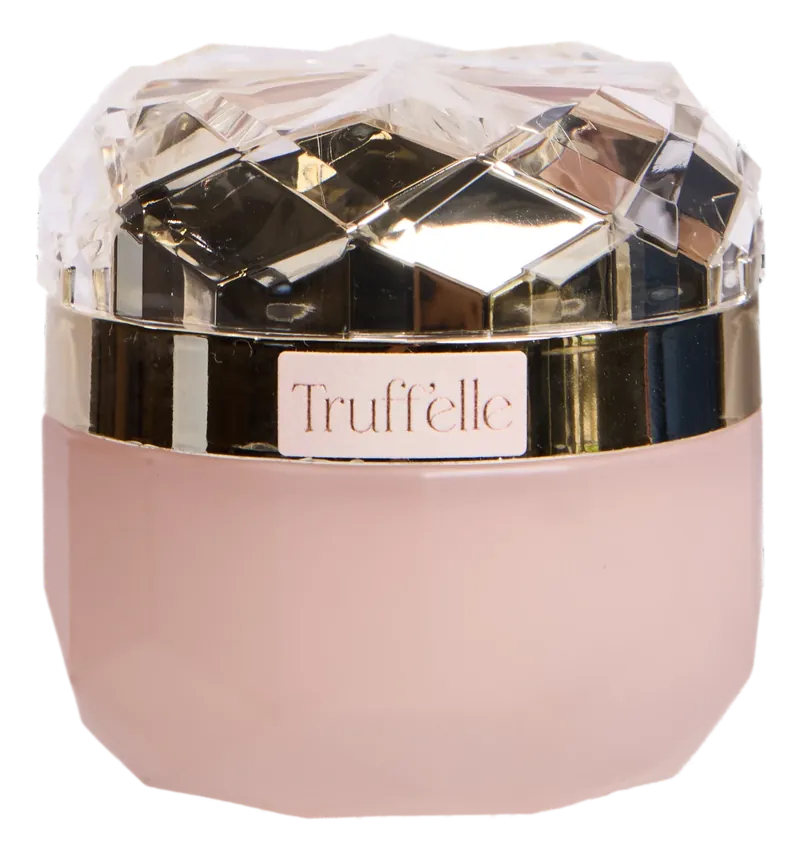
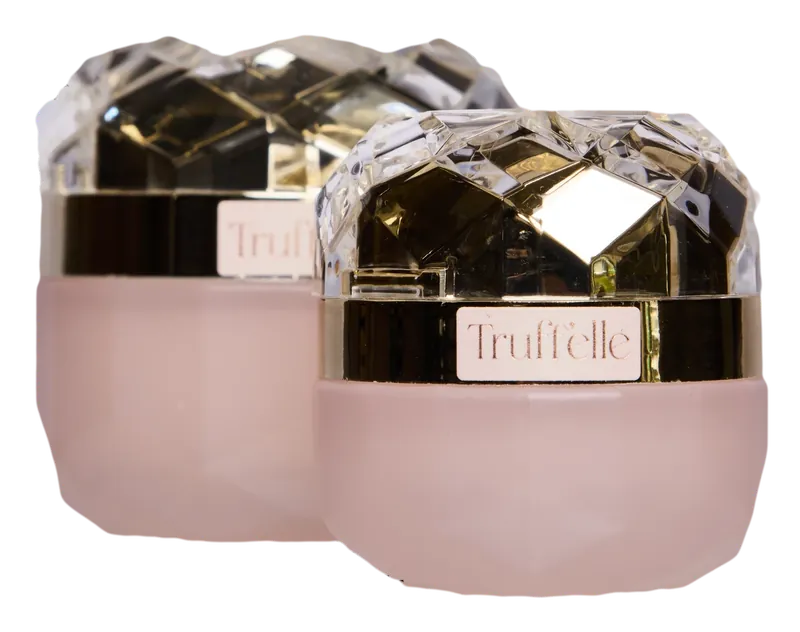
The Peptide Crème to renew, hydrate, strengthen and protect. The Eye Crème for fine lines and tired looking eyes. Or both together in the Black Diamond Duo.
Summary Table: The Three Native Plums at a Glance
| Kakadu plum | Illawarra plum | Burdekin plum | |
|---|---|---|---|
| Botanical name | Terminalia ferdinandiana | Podocarpus elatus | Pleiogynium timoriense |
| Native to | Northern Australia | Eastern coastal Australia | Queensland and the north |
| Skincare reputation | Natural vitamin C source, brightening | Antioxidant-rich, protective positioning | Antioxidant-rich, supportive positioning |
| Best known for | The most marketed of the three | Often a supporting ingredient | Often a supporting ingredient |
| What to check on a label | Where it sits in the list and what surrounds it | Where it sits in the list and what surrounds it | Where it sits in the list and what surrounds it |
| Fit for sensitive mature skin | Depends on the whole formula | Depends on the whole formula | Depends on the whole formula |
Why are Australian native plums appearing in skincare?
Native plums are appearing because brands want a local, story-rich botanical, and shoppers increasingly want ingredients they can picture. Australian native ingredients skincare sits at the meeting point of provenance, plant science and curiosity. That appeal is real, but appeal alone does not tell you whether a product suits your skin.
There are three reasons this trend has grown. First, provenance sells. A fruit from the Top End or the eastern coastline gives a product a sense of place, and Australian shoppers like backing local.
Second, "natural" and "antioxidant" are comfortable words. They suggest gentleness and protection, which is what many women want when skin starts to feel drier or less predictable.
Third, native fruits have a long history as foods, and Aboriginal and Torres Strait Islander peoples have known and used them for a very long time. That history deserves respect. If a brand tells a native-ingredient story, it is fair to ask how the ingredient is sourced and whether the communities connected to it share in the benefit. A good brand will be able to answer.
None of this makes a native plum a poor choice. It simply means the label story is not the evidence. Evidence is what you feel on your skin over several weeks.
What is Kakadu plum, and what does it do in skincare?
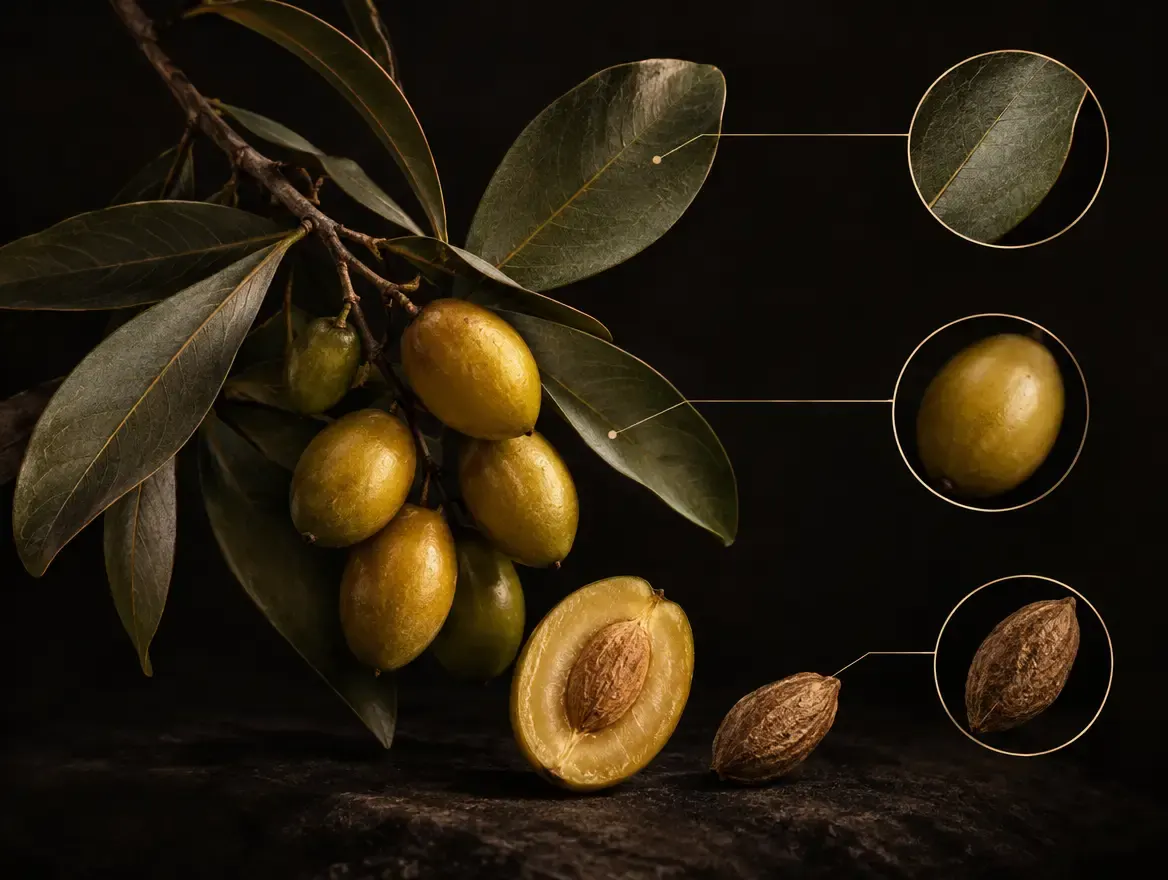
Kakadu plum is a small native fruit from northern Australia, widely described as one of the richest natural sources of vitamin C. In skincare, an extract of the fruit is used for its antioxidant reputation. Cosmetically, that translates to skin that looks brighter and more even, depending on the formula.
Kakadu plum (also known as gubinge or billygoat plum, depending on region and language group) is the headline act of the three. When people search for "kakadu plum skincare", they usually want to know whether it is a natural stand-in for vitamin C.
Vitamin C for menopausal skin: what is realistic?
Vitamin C is popular in skincare because it is an antioxidant and is commonly used to help skin look brighter and more even. For menopausal skin, the appeal is understandable. Skin can look duller and less even as it changes, and a brightening step feels like an easy fix.
The catch is that "contains a vitamin C-rich fruit" and "delivers a meaningful amount of active vitamin C" are not the same statement. A plant extract is a complex mix. How much of it is in the finished product, how it is stabilised and what else is in the jar all affect how the cream or serum behaves on your face. Most labels do not tell you the amount.
And for some women, strongly acidic vitamin C products can sting or feel tight on skin that has become drier or more reactive. If that sounds like you, a gentler formula, or no vitamin C at all, is a perfectly sensible choice.
What Kakadu plum can reasonably be expected to do
Keep your expectations cosmetic and modest:
- It is used to help skin look brighter and more even.
- It is used for its antioxidant positioning within a formula.
- It is typically one ingredient among many, not the whole story.
What it cannot do is replace sunscreen, reverse the effects of hormonal change on skin or deliver a result because a study on the extract was promising.
What about Illawarra plum and Burdekin plum?
Illawarra plum and Burdekin plum are less famous native fruits that brands use for their antioxidant-rich profiles. They usually play a supporting role in a formula, positioned as protective or nourishing. Claims for them should stay modest, because they have far less public recognition and far less of a story behind them than Kakadu plum.
Illawarra plum (Podocarpus elatus) grows along Australia's eastern coast. The fruit has a deep colour, which is part of why brands associate it with antioxidants. Illawarra plum skincare tends to be pitched around a protective, nourishing feel.
Burdekin plum (Pleiogynium timoriense) grows in Queensland and parts of the north. Burdekin plum skincare is positioned in much the same way: antioxidant-rich, plant-based and distinctly Australian.
Here is the honest position. These two are used less often, and you will rarely see standalone products built around them. When they appear, they are generally part of a blend of botanicals. That is fine, but it means you should treat the name as a pointer to what the brand is saying, not as proof of a result.
If a brand uses bold language for either plum, ask a simple question: what exactly is the claim, and how would it be tested in a finished product rather than on an extract?
What does changing skin need from any botanical?
Changing skin generally needs comfort, barrier support and gentle formulation more than it needs a long list of actives. As oestrogen falls, skin can become drier and more reactive, so each extra active adds a chance of irritation. A botanical should earn its place by making skin feel better, not busier.
I noticed this myself in my forties. My skin became drier and less comfortable, and the routine and luxury products I had relied on for years no longer felt right. My instinct was to add more. What helped was the opposite: fewer steps, chosen with more care.
Comfort first
Ask how your skin feels an hour after applying something, not just in the first minute. Tight, warm or prickly is information. So is soft and settled.
Barrier support
A comfortable barrier is the base of everything else. Ingredients such as hyaluronic acid and gentle oils support the feel of moisture, and there is more on that in our articles on hyaluronic acid and barrier care. A brightening botanical sitting on top of a dry, unsettled barrier will not look its best.
Why a long list of actives can unsettle skin
When skin is dry or sensitive, stacking a vitamin C product, an exfoliating acid, a retinoid and a botanical serum can tip it into redness or stinging. And if something goes wrong, you will not know which product caused it. For menopause skincare ingredients, the order of priority is usually:
- A gentle cleanse.
- A moisturiser that feels comfortable.
- Targeted eye care, if you want it.
- Daily sun protection.
Botanicals like native plums belong inside those steps, not on top of them as extra layers.
How do you read a native-ingredient label?
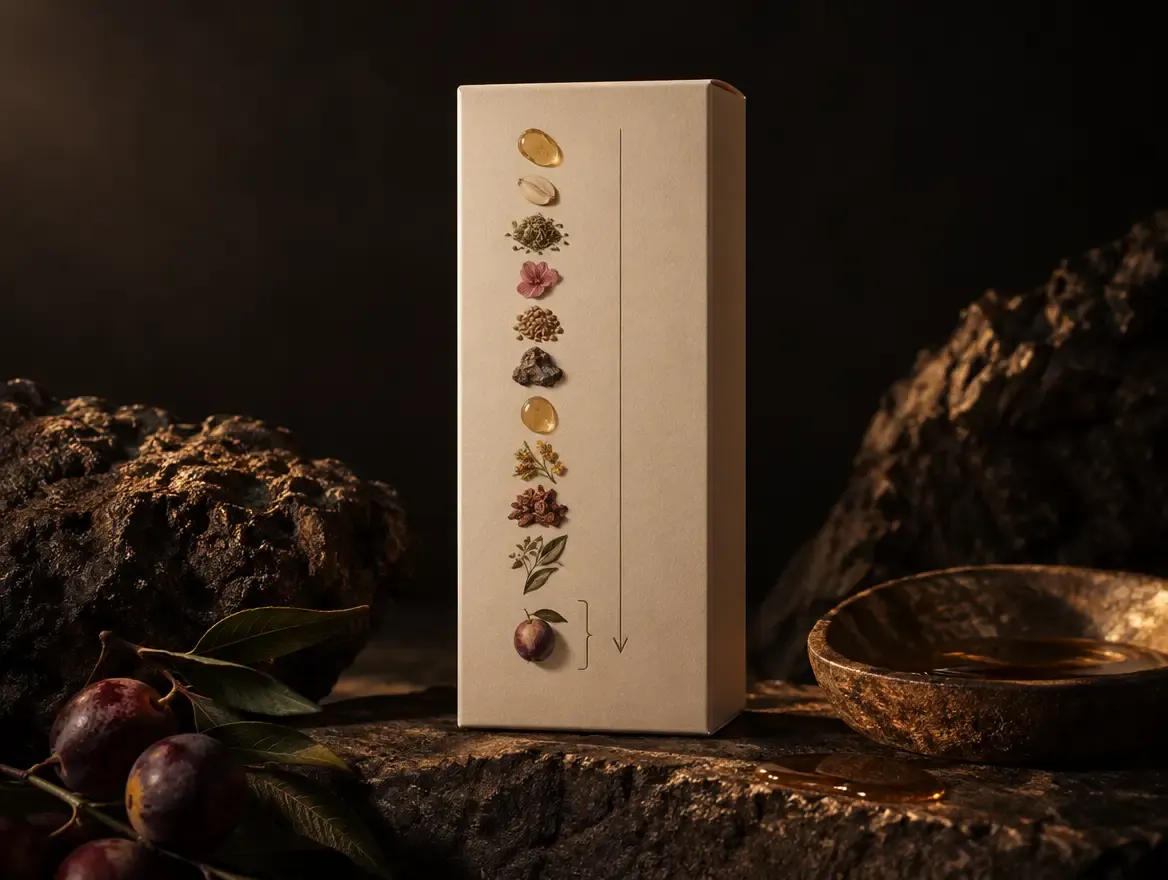
To read a native-ingredient label, find the ingredient in the full ingredients list, note how far down it sits, and look at what surrounds it. Ingredients are generally listed from most to least, so a plum near the end is likely present in a small amount. The front of the pack is marketing; the list is the formula.
Here is a practical way to read any label:
- Ignore the front first. Words like "native", "botanical" and "superfruit" are not measurements.
- Find the ingredients list. In Australia, cosmetics are required to list their ingredients, and the names usually follow the international INCI system. Plum extracts typically appear under their botanical names.
- Check the position. Generally, ingredients are listed from highest to lowest concentration. Towards the end of the list the order often stops being a reliable guide, so a native extract in that zone is likely to be a small part of the formula.
- Look at the whole formula. What is the base? Is there fragrance, which can bother some sensitive skin? Are there several strong actives in the same product?
- Check the claim. Does the language describe how skin looks and feels, or does it imply a clinical result with no stated evidence?
If you want a plain-English guide to common active names, our piece on truffle skincare active ingredients walks through how to read an ingredient list without needing a chemistry degree.
Hype versus formulation
Hype is a word on the front. Formulation is everything in the jar: the ingredient choice, how the ingredients are combined, the texture and how the finished product feels on skin. A good extract can end up in a poor formula, and a modest ingredient list can make a lovely cream.
In Australia, the ACCC expects marketing claims to be truthful and not misleading, and chemical ingredients used in cosmetics fall under the Australian Industrial Chemicals Introduction Scheme (AICIS). That is a useful backstop, but it does not mean every claim is equally meaningful. It is still your job to read carefully.
Where does a native plum product fit in a simple routine?
A native plum product fits as a single, considered addition to a simple routine: a gentle cleanse, a comfortable moisturiser, daily SPF and, if you want it, eye care. Add it on its own, patch test first and give your skin several weeks before judging. If skin feels worse, stop.
I think of this as a simple routine for changing skin:
- Cleanse gently, with lukewarm water.
- Moisturise face and neck, morning and evening.
- Add targeted eye care if you want it.
- Protect daily with broad-spectrum sunscreen when the UV index is 3 or above. SunSmart publishes daily UV information for Australian locations.
A moisturiser that feels comfortable is the anchor of that routine. If you are looking for a face and neck moisturiser to build around, you could start with The Cream. As with any product, including ours, read the ingredient list for yourself and see how it suits your skin.
One change at a time
This is the approach I come back to whenever someone asks about trying something new:
- Patch test before first use. Apply a small amount to a discreet spot, such as the inner forearm or behind the ear, and wait to see whether any redness, itching or stinging develops. Follow any directions on the pack.
- Introduce one new product at a time. If you start two things together, you cannot tell which one your skin is reacting to.
- Give it several weeks. Note how your skin feels, in the same light, so you are comparing like with like.
- Stop if irritation occurs. Seek advice for anything persistent, from a pharmacist, GP or dermatologist.
A note on retinol and eye care
If you do want targeted eye care, know what is in it. The Eye Cream from Truff'elle contains retinol, so introduce it gradually, use sunscreen by day and avoid stacking several strong actives at once. That means if you are also trying a new vitamin C product, an exfoliating acid or any other strong active, hold off and add them one at a time.
The sensible order for most people is to let skin settle on a comfortable moisturiser first, then add eye care once skin feels steady.
Why a study on an extract is a starting point, not a promise
The most useful habit I can offer is this: treat research on an ingredient extract as the start of a conversation about a formula, never as a guarantee about a finished jar. Results depend on the whole formula, how it is used and the person using it.
Here is what I have learned building a skincare range. There are two kinds of information about any botanical. One is what a lab observes about an extract on its own. The other is how a finished cream feels and looks on real skin over weeks of daily use. They are related, but they are not the same thing, and mixing them up is where a lot of skincare marketing goes wrong.
That is why Truff'elle does not present ingredient-study percentages as results from its products. We make no clinical percentage claims at all. The number of clinical percentage improvement claims we make is 0, and no clinical trial data has been published, so none should be implied. We describe what we can honestly describe: moisture, comfort, a softer feel and the appearance of fine lines.
The range is deliberately small. The core routine has 2 products, a face and neck cream and an eye cream, and it is built around 1 hero ingredient, bio-fermented Australian black truffle. Those figures are a description of the range, not a result. Master Key is our name for the formulation approach: ingredient choice, combination and the feel of the finished cream. It is an approach, not a proven mechanism.
Why does this matter for you? Because a native plum on a label is a reason to read, not a reason to buy. If a product leads with a study number, ask whether that number came from the extract in a lab or from the finished product on people. If the brand cannot tell you, the number is not telling you much.
We also launched with a smaller Discovery size alongside the full sizes for the same reason. Skin in perimenopause and menopause can be sensitive and unpredictable, and nobody should have to commit to a premium full size before they know whether it suits them. Try it, notice how your skin feels and decide from there. Start with how your skin feels today, not an age printed on a jar.
A little more understanding, a little less complication. That is the whole idea.