Dark circles in your 50s usually come from a mix of thinner under-eye skin, lost volume that casts shadow, uneven pigment, fluid retention and broken sleep. Perimenopause and menopause can shift all of these. A simple routine can help the area look smoother and fresher, but it cannot change genetics or hollowing.
Sabina Kelley, founder of Truff'elle, reached her forties and noticed her skin becoming drier and less comfortable. The luxury products she had relied on for years no longer felt right. The eye area is often where women notice change first, because the skin there is thin and shows tiredness quickly.
This guide explains the likely causes in plain language, helps you work out whether you are dealing with dark circles, puffiness or both, and sets out a calm eye routine you can build one step at a time. It is also honest about what skincare cannot do. If you want a realistic answer rather than another crowded shelf, this is for you.
Key Takeaways
- The skin around your eyes is thin, so dryness, pigment, volume change and fluid all show up there first.
- Dark circles (colour or shadow) and puffiness (swelling or fullness) are different concerns and need different habits.
- An eye cream can help the area look smoother and feel more comfortable. It cannot change bone structure, genetics or shadow caused by volume loss.
- Introduce a retinol eye cream slowly: two or three nights a week, a small amount, away from the lash line, with daily SPF.
- Sleep, salt, alcohol, allergies and sun exposure all affect how your eyes look. Sudden, one-sided or persistent swelling is a reason to see your GP.
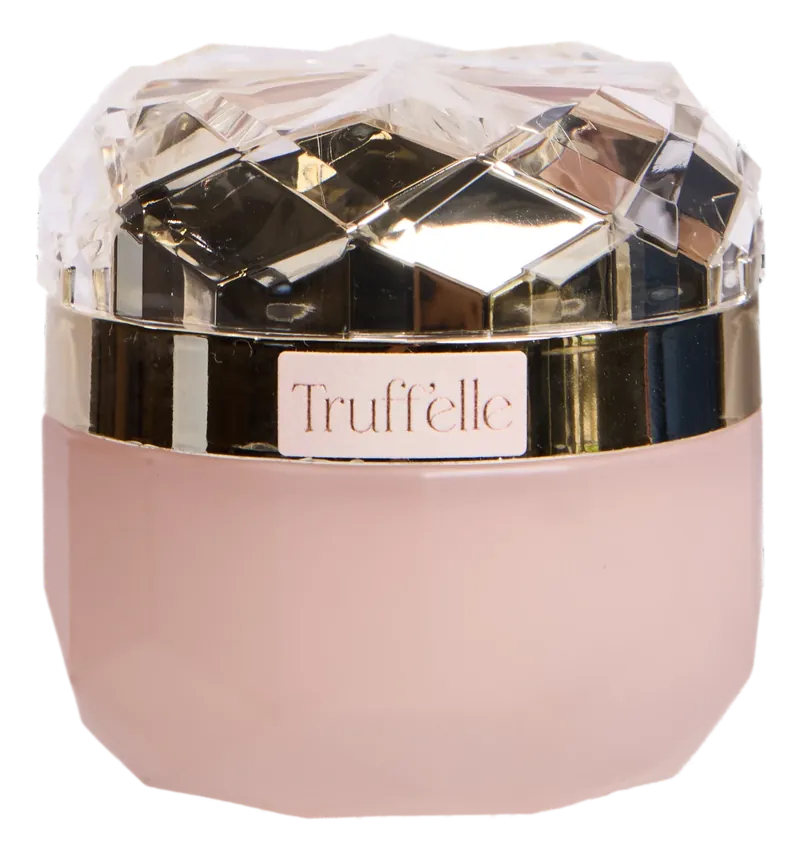
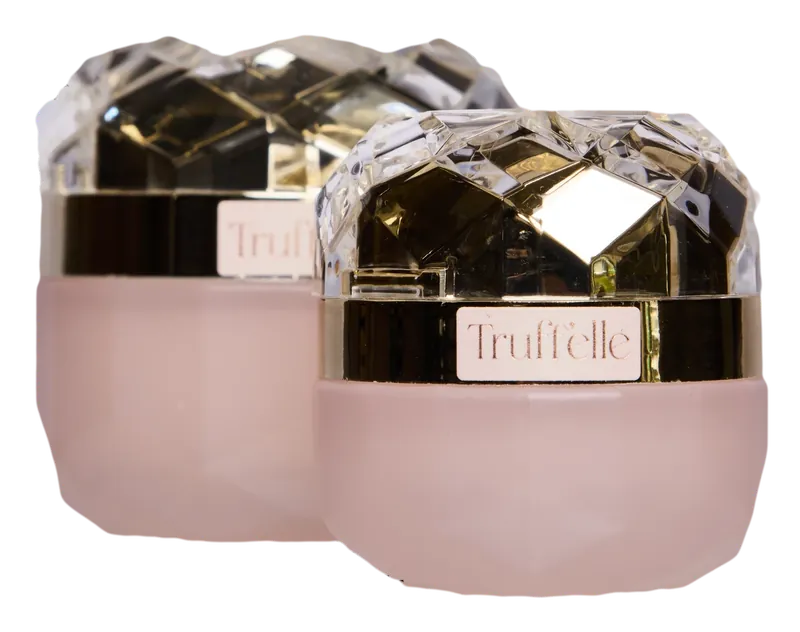
The Peptide Crème to renew, hydrate, strengthen and protect. The Eye Crème for fine lines and tired looking eyes. Or both together in the Black Diamond Duo.
Summary Table
| Concern | What it tends to look like | Common contributors | What can help |
|---|---|---|---|
| Dark circles (pigment) | Brownish or bluish tone that stays when you tilt your face | Genetics, sun exposure, thinner skin | Daily SPF, sunglasses, gentle eye care |
| Shadowing (hollowing) | Dark look that eases when light hits from above | Volume change under the eye, bone structure | Realistic expectations, a chat with a clinician |
| Puffiness | Fullness that is worst in the morning | Salt, alcohol, fluid retention, allergies, poor sleep | Cool compress, sleep habits, allergy management |
| Dryness and fine lines | Crepey, tight or lined skin | Thinner skin, lower moisture | Hydrating eye care, a comfortable moisturiser |
Why does the eye area change in your 40s and 50s?
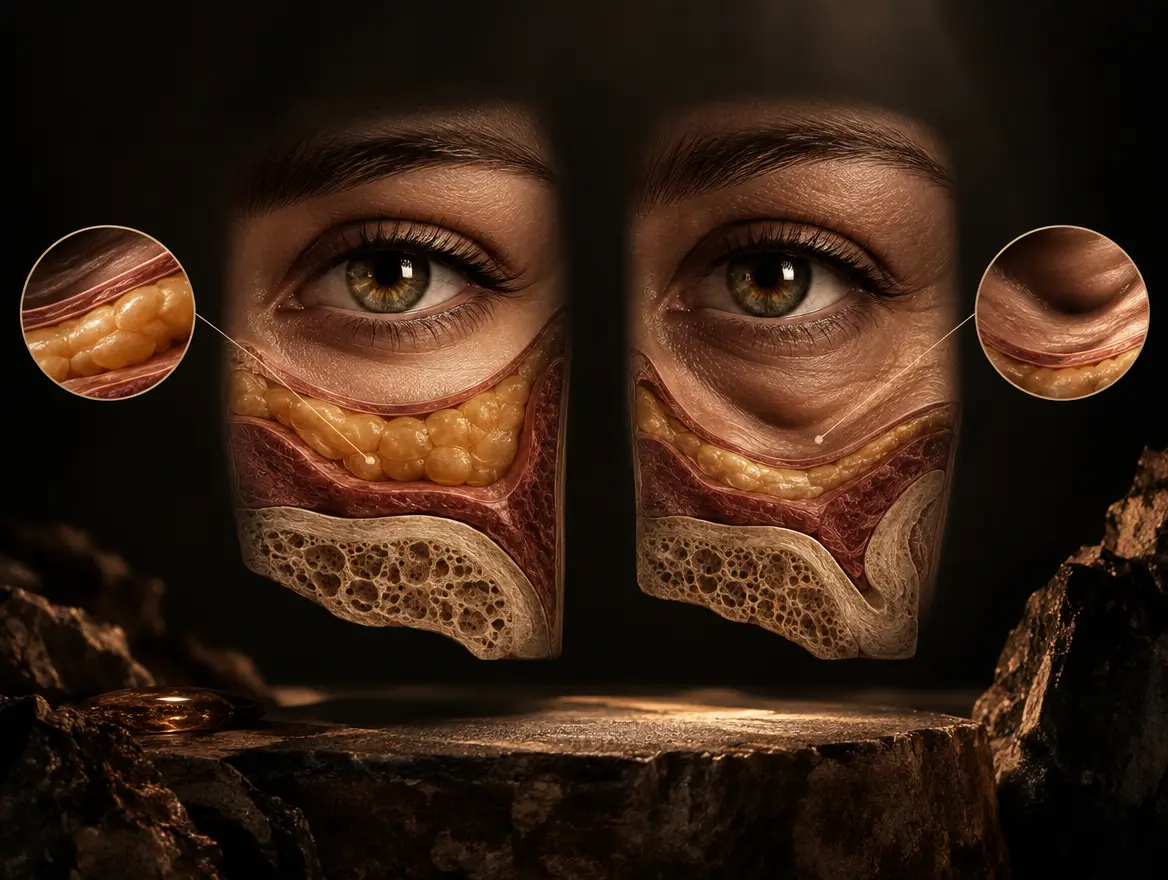
The skin around your eyes is among the thinnest on your face, so it shows change first. In your 40s and 50s, dryness, fine lines, uneven pigment and gentle loss of volume can combine. Falling oestrogen is one likely contributor, which is why the shift can feel sudden.
It helps to separate the four things that are usually happening at once.
Thinner, drier skin. Skin tends to hold less moisture as oestrogen levels change. Because the under-eye skin is already delicate, small changes in hydration show as fine lines and a tired, crepey look. Thinner skin also lets the blood vessels and tissue beneath show through, which can read as a blue or purple tone.
Pigment. Some people have naturally deeper colour around the eyes, and sun exposure over many years can add to it. In Australia, that is a real factor. Pigment is the part of dark circles that sun protection and gentle, consistent care can influence most.
Hollowing and shadow. Many women notice a groove or hollow forming under the eye in their 40s and 50s as fat and bone support shift. That creates a shadow, not a stain. It is the reason some "dark circles" do not respond to anything in a jar.
Fluid and sleep. Perimenopause can bring night sweats, waking at 3am and lighter sleep. Tired eyes look tired. Fluid also tends to settle around the eyes overnight, which leads to morning puffiness.
None of this means something is wrong. It means your skin is changing, and your routine can change with it. Jean Hailes, the Australian women's health organisation, covers the wider picture of perimenopause and menopause if you want the broader context.
If you are unsure which stage you are in, our article on perimenopause vs menopause vs postmenopause skincare is a useful companion. The honest answer is that skin does not follow a calendar. Start with how your skin feels today, not an age printed on a jar.
How can you tell dark circles from puffiness?
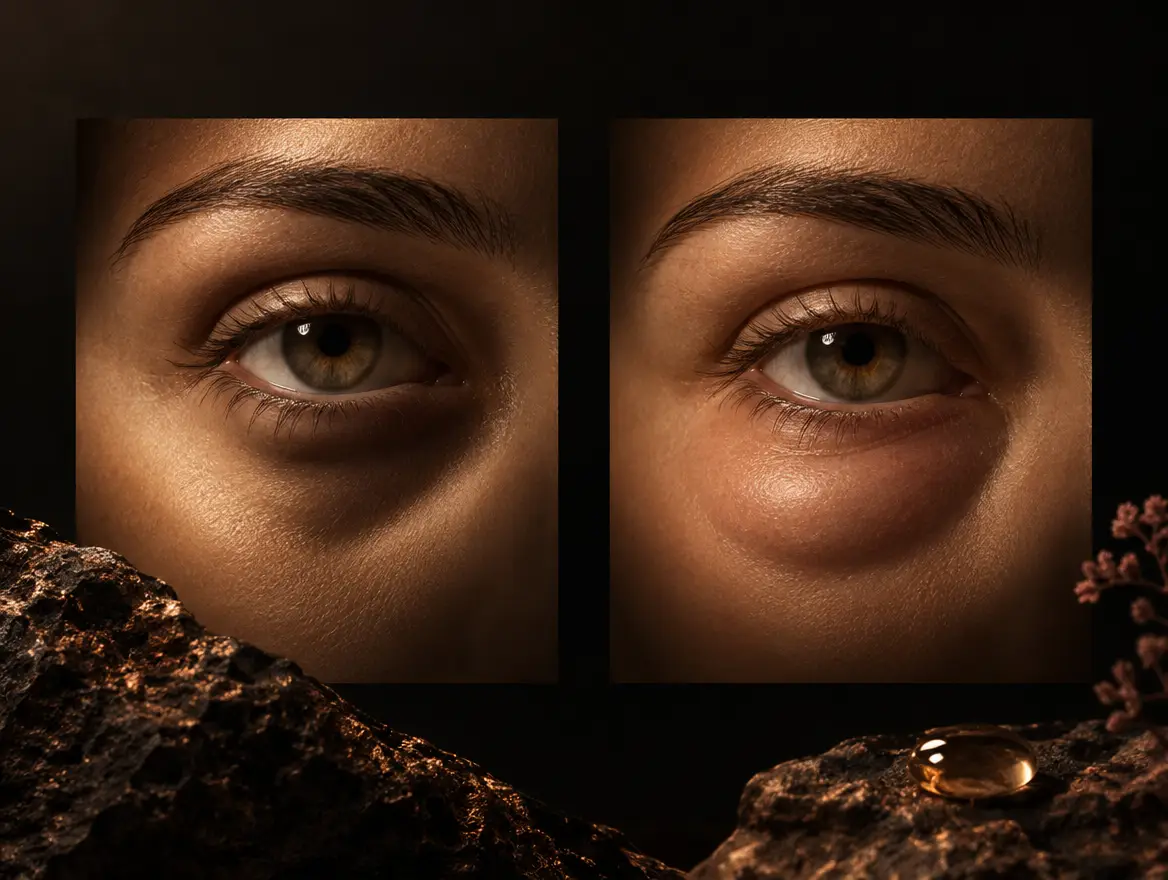
Dark circles are about colour or shadow, while puffiness is about swelling or fullness. Check in daylight: if the darkness eases when you tilt your face up toward the light, it is likely shadow. If puffiness is worst when you wake and settles through the day, it is likely fluid.
Most women have a bit of both, and that is fine. Working out the dominant one tells you where to put your effort.
A quick at-home check
Stand near a window and look in a mirror with your face level. Note the colour and any fullness. Then tilt your chin up slightly, so the light falls from above, and look again.
- Darkness eases when you tilt up: likely shadow from a hollow under the eye. This is volume-related.
- Darkness stays the same: likely pigment, or thin skin showing what lies underneath.
- Fullness that is worst on waking: likely fluid. It often eases within a few hours of being upright.
- Fullness that stays all day: worth noting, and possibly worth raising with a GP (see below).
This is a rough guide, not a diagnosis. It is just enough to stop you buying five products for a problem a good night's sleep might ease.
The usual suspects behind morning puffiness
Salt. A salty dinner, restaurant meal or takeaway can leave you looking fuller around the eyes the next morning, because the body holds on to more water.
Alcohol. A glass of wine in the evening can disturb sleep and leave your face looking puffier and your skin drier the next day. Many women in perimenopause find alcohol affects their sleep more than it used to.
Broken sleep. Night sweats and early waking leave the eye area looking shadowed and swollen. This is not a skincare problem, but it is the one that shows most.
Allergies. Hay fever, dust and pets can cause itchy, puffy eyes, and rubbing them makes it worse. If your eyes are itchy as well as puffy, talk to your pharmacist or GP about managing the allergy, rather than adding more products.
What can an eye cream do, and what can't it do?
An eye cream can help the delicate area look smoother, fresher and feel more comfortable, mainly by supporting moisture. It cannot change genetics, bone structure or shadow caused by volume loss. Treat any claim of "erasing" dark circles with caution, including from brands, and judge a product by how your skin looks and feels.
What a good eye cream is for
Think of an eye cream as comfort and finish. It helps the area feel less tight, softens the look of fine lines and gives the skin a smoother surface. That alone can make eyes look more rested, because dryness exaggerates every line.
The Eye Cream from Truff'elle is a 20mL cream containing retinol, acetyl hexapeptide-8, sodium hyaluronate, caffeine and bio-fermented Australian black truffle extract. We describe its benefits in cosmetic terms only: the look of fine lines, a softer feel and comfort. Truff'elle makes zero clinical percentage claims, and no clinical trial data has been published for the range, so we do not imply any.
A note on ingredient research
When a brand quotes a percentage from a study, ask what was tested. Often it is a single extract, at a set concentration, in a lab setting. Our view is that research on an extract is a starting point for formulation, not a promise from a finished jar. Results depend on the whole formula, how you use it and the person using it.
That is why Truff'elle talks about Master Key, our name for the formulation approach: ingredient choice, combination and the feel of the finished cream, built around black truffle. It describes how the range is designed, not a proven mechanism or a guaranteed result.
What it can't do
- It can't change the shape of your under-eye hollow.
- It can't override genetics. If your mother and grandmother had deeper tones around the eyes, you may too.
- It can't replace sleep, sun protection or a conversation with your doctor.
If shadowing from volume loss bothers you, a GP or dermatologist can talk through your options. That is a different conversation from skincare, and it is better to know the difference before you spend money.
If you are still deciding whether you need one at all, our article "Do I Need an Eye Cream?" goes through it. Our honest position is that targeted eye care is optional. It suits some women and not others.
What is a simple morning and evening eye routine?
Keep it to a gentle cleanse, a comfortable moisturiser, an eye cream at night and daily sunscreen. Use The Eye Cream in the evening because it contains retinol. Start two or three nights a week, use a small amount, avoid the lash line, and add a cool compress in the morning if you wake puffy.
This follows what we call a simple routine for changing skin: cleanse gently with lukewarm water, moisturise face and neck morning and evening, add targeted eye care if you want it, and protect daily with broad-spectrum sunscreen. Fewer steps, chosen well, is the whole idea.
One change at a time
Before adding anything new, follow the same steps every time you try a product:
- Patch test before first use, on a small area, and wait to see how your skin responds.
- Introduce one new product at a time. If you change three things at once, you will not know which one helped or irritated.
- Give it several weeks and note how your skin feels, looking at it in the same light each time.
- Stop if irritation occurs, and seek advice for anything persistent.
This matters more than usual in perimenopause and menopause. As oestrogen falls, skin can become drier and more reactive, so stacking new actives raises the chance of irritation. Most advice says changing skin needs more products and stronger actives. We think the opposite: fewer, well-chosen steps, added slowly.
Morning
- Cool compress (if puffy). Rinse a clean cloth in cool water, wring it out and rest it gently over closed eyes for a minute or two. It is simple, free and pleasant, and it can help the area feel fresher.
- Cleanse gently with lukewarm water, not hot.
- Moisturise your face and neck with a comfortable cream. Truff'elle's face and neck cream is The Peptide Cream, which contains fragrance (Manuka honey), so patch test first if your skin is sensitive.
- Sunscreen. Broad-spectrum, every day the UV index is 3 or above. Wear sunglasses too.
Evening
- Cleanse gently to remove sunscreen and the day.
- Apply a small amount of The Eye Cream. Think a small dot, not a ribbon. Dab it lightly along the orbital bone (the bony ridge under the eye) rather than right up to the lash line.
- Moisturise your face and neck with your usual cream.
How to introduce The Eye Cream
Because The Eye Cream contains retinol, begin slowly. Use it two or three nights a week for the first few weeks. If your skin feels comfortable, with no stinging, redness or tightness, you can add a night. If it feels sensitive, step back to fewer nights or pause. Retinol makes skin more sensitive to the sun, which is why daily sunscreen is not optional.
If you are pregnant, planning a pregnancy or breastfeeding, check with your doctor before using any retinol product.
For step-by-step technique, including how much to use and where to place it, see our guide, "How to Apply Eye Cream Properly". We have not repeated it here.
Which lifestyle habits make a visible difference?
Sleep position, evening salt and alcohol, hydration and sun protection all affect how your eyes look. None is dramatic alone, but together they often matter as much as any cream. In the Australian climate, sunglasses and daily sunscreen around the eyes are the habits most worth building.
Sleep position and bedroom
Sleeping flat on your back with a slightly raised pillow can help fluid drain away from the eye area overnight, so you may wake less puffy. Sleeping face down or on your side can let fluid pool. Pressing your face into the pillow also creates creases that deepen over time.
If night sweats are waking you, a cooler bedroom, breathable bedding and lighter sleepwear can help. Better sleep shows on your face sooner than most products. If sleep disruption is significant, raise it with your GP, as there are options to discuss.
Hydration, salt and alcohol
Drinking enough water supports overall comfort, and eating a very salty dinner or drinking alcohol late can leave your eyes looking fuller. You do not need a perfect diet. Notice the pattern: if puffy mornings follow certain evenings, you have your answer.
Air conditioning and heating dry out skin in Australian homes and offices, so a comfortable moisturiser matters in both summer and winter.
Sun protection in the Australian climate
Sun exposure adds to pigment and speeds up thinning and fine lines around the eyes. SunSmart, the Cancer Council's sun protection programme, recommends sun protection whenever the UV index is 3 or above, which in much of Australia means most days for much of the year, including cooler months in the north.
- Wear a broad-spectrum sunscreen every day the UV index is 3 or above. Use one that you tolerate near your eyes.
- Wear wraparound or close-fitting sunglasses. They protect the eye area and stop you squinting, which deepens fine lines.
- Add a broad-brimmed hat when you are outdoors.
This is the single most useful habit for the eye area, and it is especially important if you use a retinol product.
When should you see your GP about eye puffiness or swelling?
See your GP if swelling is sudden, affects only one eye, or does not settle. Also seek advice if the area is painful, red or itchy, or if your vision changes. Everyday puffiness and shadows are common. Swelling that behaves differently deserves a proper check, not another product.
Skincare is for the everyday changes. It is not a way to manage a medical issue. Book an appointment if you notice:
- Sudden swelling, especially if it comes with redness, pain or warmth.
- One-sided swelling that does not match the other eye.
- Persistent puffiness that stays all day, every day, for weeks.
- Swelling elsewhere, such as your ankles or hands, or unusual fatigue.
- Changes in vision, or swelling with an allergic reaction.
A GP can look at possible underlying causes. Healthdirect, the national health advice service, has general guidance on swollen eyelids and when to seek care. If you ever have swelling of the face or lips with trouble breathing, treat it as an emergency and call 000.
What we have noticed about tired-looking eyes in your 40s
Here is a view we hold, and it is not the most common one: most women do not need a bigger eye routine. They need a calmer one and a clearer idea of which problem they are solving. Brands tend to sell "tired eyes" as a single issue with a product for every angle. In reality, a tired look is often a mix of dryness, shadow and a bad week of sleep, and each responds to something different.
The Truff'elle range reflects that. The core routine has two products (a face and neck cream and an eye cream) and one hero ingredient, bio-fermented Australian black truffle. This is range specification, not a clinical result, and the brand makes zero clinical percentage claims. The point is that a short shelf is easier to keep up, easier to patch test and easier to read. When you add one thing, you can see what it does.
Here is a practical method we suggest, in the spirit of a little more understanding, a little less complication:
- Take a baseline photo by the same window, at the same time of day, with no filter. Morning light is honest.
- Change one thing. It might be sunscreen, a pillow or The Eye Cream two nights a week.
- Photograph again after a few weeks, in the same light, and compare by how the area looks and feels, not by a number.
It is not scientific, but it is far better than judging a product on a mood, a mirror in bad lighting or a promise on a label. It also shows you something valuable: some days the "tired" look is simply the lighting.
Our other view is that you should start with how your skin feels today, not an age printed on a jar. Two women who are both 52 can have very different skin, depending on where they are in perimenopause or menopause, how they sleep and how much sun they have had. Choose your routine for the years it changes, not for a birthday.
If you would like to try The Eye Cream, add it to your evening routine slowly, alongside your face and neck cream. Begin two or three nights a week, apply a small amount, keep away from the lash line and wear sunscreen by day. The Eye Cream is a 20mL cream priced at $207, with full-size products shipping free worldwide.