Yes, you can use retinol around your eyes, and it is one of the most effective ways to soften the look of fine lines and crepey texture there. The secret is choosing a retinol made for the eye area, at a gentle, low strength, inside a rich and comforting cream, and starting slowly. Do that, and you get the smoothing benefits of retinol without the dryness and stinging that put so many women off.
What retinol does for the eye area
Retinol is a form of vitamin A. Once it is on your skin, it is converted into retinoic acid, which encourages skin to renew itself faster and supports the collagen that keeps it firm. Around the eyes, that shows up as smoother looking fine lines, softer crepey texture and a fresher look overall.
That is why retinol is one of the most trusted skincare ingredients for lines, and why women who love what it does on their face often want it around their eyes too.
Why the eye area irritates so easily
The skin around your eyes is the thinnest on your face and has fewer oil glands, so it dries out faster and has less natural cushioning. Through perimenopause and menopause it gets thinner and drier still. Put a strong face retinol there and it can flake, sting and look worse before it looks better.
The answer isn't to give up on retinol around the eyes. It's to give the eye area a retinol made for it.
How to get the benefits without the irritation
1. Choose the right strength. Look for an eye cream with a gentle, low strength retinol rather than borrowing your face product.
2. Choose a rich base. Retinol is far kinder when it comes wrapped in nourishing ingredients like shea butter, plant oils and hyaluronic acid. We explain why in shea butter and macadamia oil for dry under eye skin.
3. Use less than you think. A rice grain's worth is enough for both eyes.
4. Mind where it goes. Pat it along the orbital bone with your ring finger, from the inner corner out. Keep it off your eyelids and away from the lash line. Our eye cream application guide shows exactly where.
5. Start slowly. Two or three evenings a week for the first few weeks. If your skin stays comfortable, add more nights, then use it morning and night once your skin is used to it.
6. Wear sunscreen every morning. Retinol makes skin more sensitive to the sun, and the eye area catches a lot of it. Sunglasses help too.
7. Don't double up. Use one retinoid around the eyes at a time, and keep prescription products such as tretinoin to the rest of your face unless your doctor says otherwise.
If you're pregnant or breastfeeding, skip retinol for now and come back to it later.
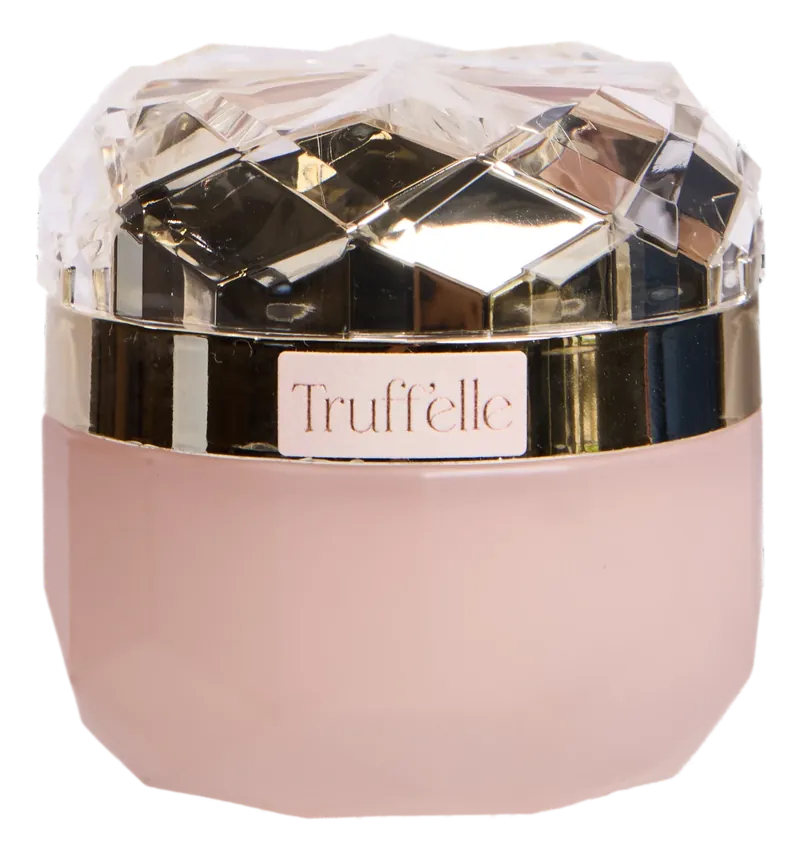
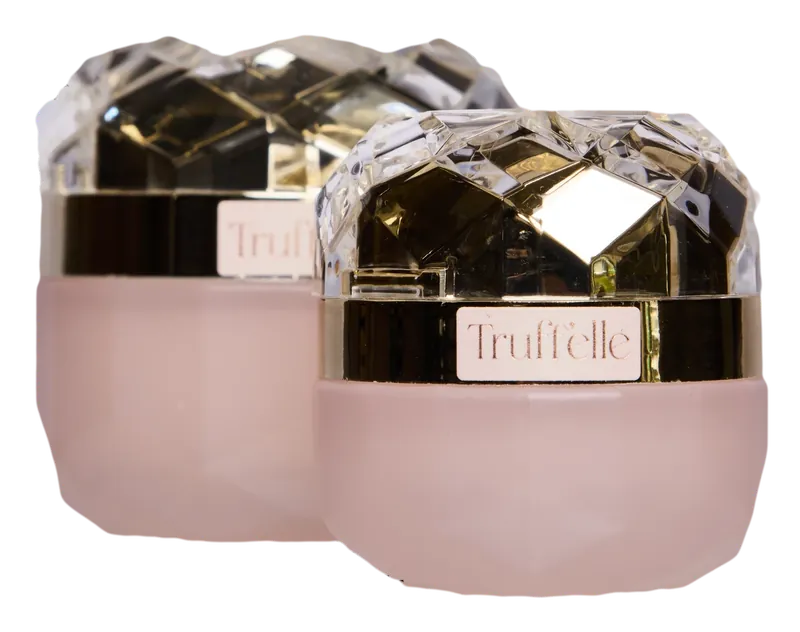
The Peptide Crème to renew, hydrate, strengthen and protect. The Eye Crème for fine lines and tired looking eyes. Or both together in the Black Diamond Duo.
Signs to ease back
A little dryness in the first couple of weeks can happen. If the area stings, looks red or starts to flake, go back to fewer nights for a while. Your skin will usually settle, and you can build up again more slowly.
How Truff'elle does it
The Eye Crème contains retinol at under 0.3%, a gentle, low strength level chosen on purpose for the delicate skin around the eyes. You get the smoothing benefits of retinol, made gentle enough for the eye area.
It comes wrapped in exactly the kind of base the eye area needs: shea butter, macadamia oil and hyaluronic acid for moisture and comfort, plus acetyl hexapeptide-8 for the look of expression lines and caffeine for tired, puffy looking eyes. All of it is built on bio-fermented Australian black truffle, naturally rich in peptides and amino acids.
Our founder Sabina keeps her prescription tretinoin to the rest of her face, with The Peptide Crème underneath as a hydrating base, and lets The Eye Crème look after her eyes. If you're new to retinol altogether, our guide to starting retinol gently in perimenopause and menopause is a good companion.