Your cleanser is on your skin for less than a minute, yet it can undo everything else in your routine. In perimenopause and menopause, when skin holds less water and its barrier thins, the foaming cleanser you have used for years can start leaving your face tight, dry or stinging. The fix is often as simple as changing the type of cleanser you use.
Why your old cleanser may stop working
As oestrogen falls, skin makes less oil and its barrier lipids change, so it holds less water. The American Academy of Dermatology lists dryness as one of the most common skin changes in menopause.
Foaming cleansers work by dissolving oil. That is helpful when your skin makes too much of it. When your skin is already short of oil, the same cleanser strips away what little is left, and your face feels squeaky, then tight, then dry by lunchtime.
The test is simple. Your skin should feel soft and comfortable after cleansing. If it feels tight, squeaky clean or stings, change your cleanser.
The main types, and who they suit
- Cream cleansers. Rich and non foaming. They clean without stripping. Best for dry, very dry and sensitive skin.
- Milk cleansers. Lighter than a cream, still gentle. Good for normal to dry skin, and for anyone who finds creams too heavy.
- Oil cleansers. Oil dissolves oil, so they lift sunscreen and makeup easily, then emulsify and rinse away with water. Excellent for dry skin and as the first step at night.
- Balm cleansers. A solid oil that melts on the skin. Similar to oil cleansers, very nourishing, good for dry skin and for removing makeup.
- Gentle gel cleansers. Light and fresh. Best for oily or combination skin, or breakout prone skin, as long as they do not leave you tight.
- Micellar water. Useful for removing makeup on the go, but best followed by a proper cleanse or a rinse.
- Foaming and bar cleansers. The most likely to dry out menopausal skin. Use them only if your skin is genuinely oily and stays comfortable afterwards.
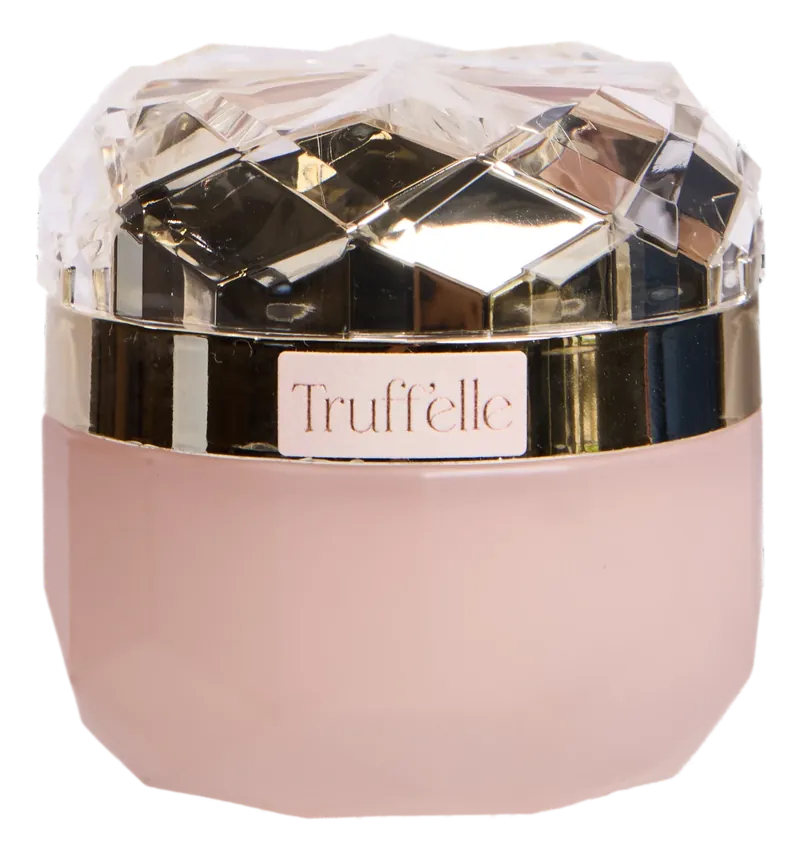
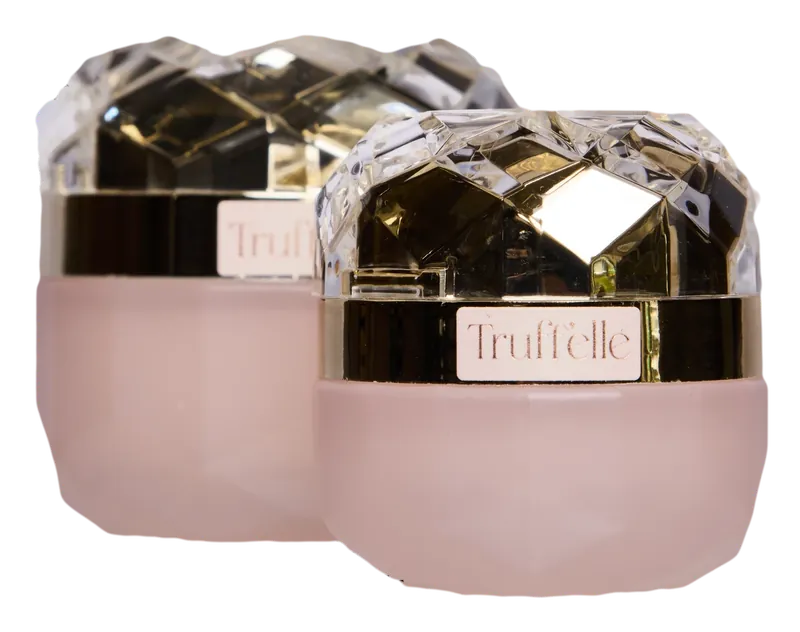
The Peptide Crème to renew, hydrate, strengthen and protect. The Eye Crème for fine lines and tired looking eyes. Or both together in the Black Diamond Duo.
Choose by your skin type now
Dry or very dry skin. Use a cream, balm or oil cleanser morning and night, or just water in the morning. This is where most women land in menopause.
Sensitive or easily flushed skin. Use a fragrance free cream or milk cleanser and lukewarm water. Avoid cleansing brushes and scrubs, and pat rather than rub your face dry.
Combination skin. Use a gentle milk or gel cleanser, and a cream cleanser on the drier areas or on dry days. Your skin can change week to week, so use what feels right.
Oily or breakout prone skin. Hormonal breakouts can appear in perimenopause. A gentle gel cleanser works, sometimes with salicylic acid a few times a week. Avoid anything that leaves you tight, because stripped skin can produce more oil, not less.
How to cleanse without drying your skin
- Use lukewarm water, never hot. Hot water strips oils faster.
- Use your fingertips, not cloths or brushes, and massage gently for 30 to 60 seconds.
- Double cleanse at night if you wear sunscreen or makeup. An oil or balm first to dissolve it, then a cream or milk cleanser.
- Morning can be just water. If your skin is dry, a splash of lukewarm water is often enough.
- Pat dry and moisturise straight away, while your skin is still slightly damp, to hold in water.
Our founder, Sabina, uses a gentle cream or oil cleanser whenever her skin feels dry, then just her face and eye creams.
Signs your cleanser is wrong for you
- Tightness within minutes of washing.
- A squeaky clean feel.
- Stinging when you apply moisturiser afterwards.
- Flaking, especially around the nose and chin.
- Skin that looks shiny but feels dry.
If you notice any of these, change your cleanser before you change anything else. It is often the whole problem.
What comes after cleansing
Follow your cleanser with a hydrating cream for face and neck. Truff’elle does not make a cleanser, so use any gentle one you like. Then pat The Eye Crème around your eyes and smooth The Peptide Crème over your face and neck. For the full routine, see our back to basics guide.