Your forties are when most women first notice their skin behaving differently. Foundation sits differently, your usual moisturiser does not last the day, and lines that used to come and go start to stay. The answer is rarely a longer routine. It is a better one.
What changes in your skin after 40
Perimenopause, the years leading up to your last period, usually begins in your forties. As oestrogen starts to fluctuate and fall, skin changes in three ways.
- It holds less water. A 2022 study in Scientific Reports found that after menopause, the ceramides that hold skin's barrier together are lower and shorter, which affects how well the barrier keeps moisture in. Women on HRT did not show the same change.
- It loses collagen. A review in Clinical and Experimental Dermatology reports that collagen falls quickly after menopause, with around a third lost in the first five years. These figures come from small, older studies, but the direction is clear.
- It becomes more reactive. A thinner barrier lets irritants in more easily, so products that never stung before can start to.
You can read more in the American Academy of Dermatology's menopause guide.
The four steps that do most of the work
1. Cleanse gently. Swap foaming or gel cleansers for a cream, milk or oil cleanser, and use lukewarm water. If your skin feels tight straight after washing, your cleanser is too strong.
2. Moisturise properly. Look for a cream with humectants such as hyaluronic acid or glycerin to draw water in, and oils or lipids to hold it there. Apply it to face and neck, morning and night.
3. Add a retinoid, slowly. Retinoids have more research behind them for fine lines and texture than any other cosmetic ingredient. Start a few nights a week, apply your moisturiser first if your skin is dry, and build up over weeks. Our guide to starting retinol gently walks through it.
4. Wear sunscreen every morning. In Australia this does more for your skin than anything else in this list. Use broad spectrum SPF 30 or higher, and follow SunSmart advice to protect your skin whenever the UV index is 3 or above, which is most days for much of the country.
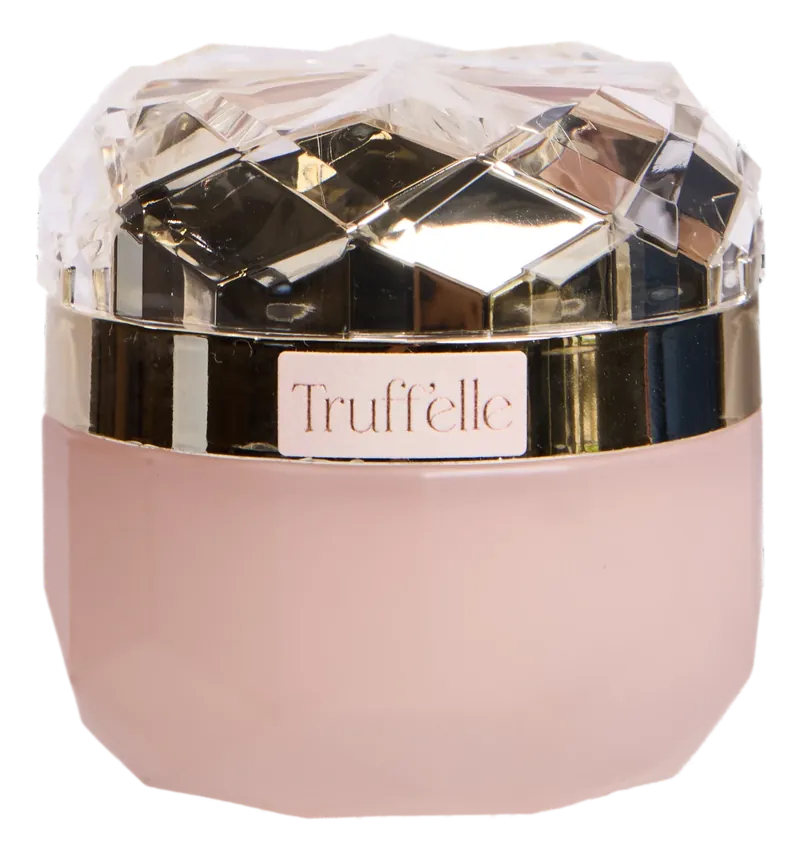
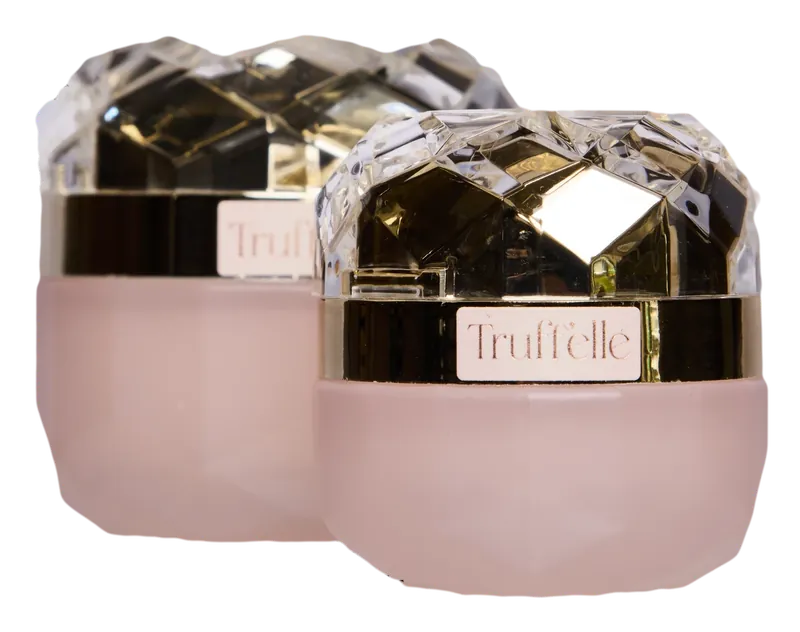
The Peptide Crème to renew, hydrate, strengthen and protect. The Eye Crème for fine lines and tired looking eyes. Or both together in the Black Diamond Duo.
What you can skip
- Gritty scrubs. They scratch skin that is already thinning.
- Alcohol heavy toners. They strip the lipids your barrier is short of.
- Stacks of serums. Three serums that all promise the same thing mostly give you three chances of irritation.
- Constant new launches. Changing everything every few weeks means you never learn what works.
Our founder, Sabina, puts it simply: the more products she used, the worse her skin got. She now uses very few, and goes weeks at a time without actives to give her skin a break.
A simple routine to copy
Morning: gentle cleanse or just a rinse, eye cream, face and neck cream, sunscreen.
Night: gentle cleanse, eye cream, face and neck cream. On retinoid nights, apply your retinoid over the cream.
If your skin is already unhappy, start with our two week back to basics reset before adding anything.
Where Truff’elle fits
The Peptide Crème is a thin, fast absorbing face and neck cream made for skin changing through perimenopause and menopause, with sodium hyaluronate, nourishing oils and peptides and amino acids from bio-fermented Australian black truffle. It is designed as the hydrating base for women using retinol or tretinoin. The Eye Crème contains a low amount of retinol and is used morning and night around the eyes and mouth. The Black Diamond Duo puts both together.
When to see someone
If you have persistent redness, a rash that will not settle, a new or changing spot, or questions about HRT or prescription treatments, talk to your GP or a dermatologist.