
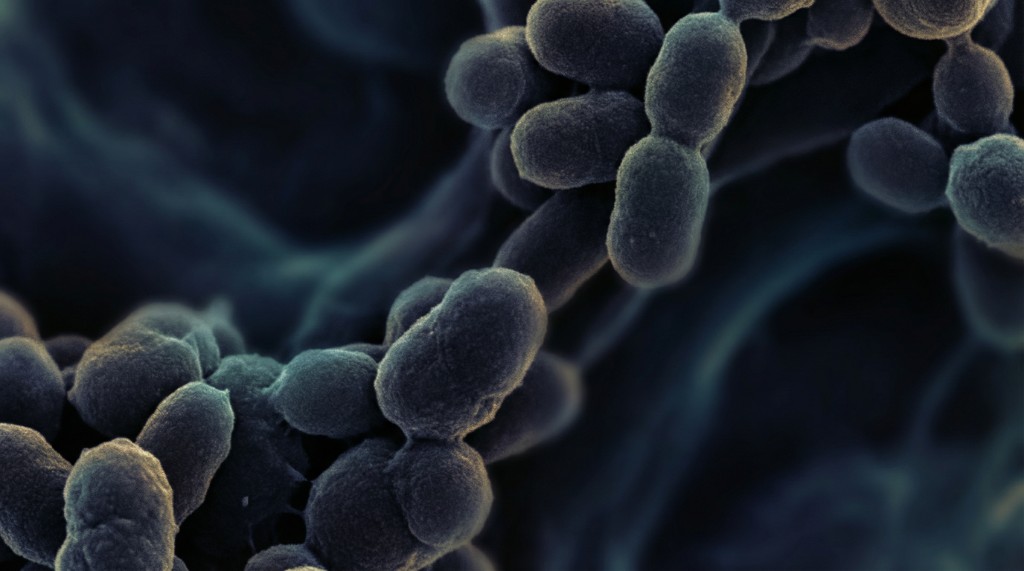
The human skin is not a sterile surface; it is a thriving ecosystem, home to trillions of microorganisms. This complex community, known as the skin microbiome, is increasingly recognised by dermatologists and skin scientists as a critical factor in skin health and disease. From a clinical perspective, understanding and addressing the skin microbiome is opening up new avenues for treating a wide range of dermatological conditions.
For a long time, the medical approach to skin conditions often involved the use of broad-spectrum antibiotics and harsh antiseptics aimed at eradicating bacteria. However, we now understand that this approach can disrupt the delicate balance of the skin's ecosystem, leading to a state of dysbiosis. Dysbiosis, an imbalance in the microbial community, is now linked to a variety of inflammatory skin conditions, including atopic dermatitis (eczema), psoriasis, acne, and rosacea [1].
The Link Between Dysbiosis and Skin Disease
Clinical research has revealed a strong correlation between alterations in the skin microbiome and the pathophysiology of several common skin disorders.
Impact of Microbiome Dysbiosis on Common Skin Conditions:
| Skin Condition | Associated Microbial Imbalance |
|---|---|
| Atopic Dermatitis (Eczema) | Characterised by a decrease in microbial diversity and an overgrowth of Staphylococcus aureus [2]. |
| Acne Vulgaris | Linked to an imbalance in the strains of Cutibacterium acnes, with certain strains being more pro-inflammatory than others. |
| Psoriasis | Associated with a decrease in the overall diversity of the skin microbiome and an increase in the relative abundance of certain bacterial species. |
| Rosacea | Often characterised by an increased density of Demodex mites and an altered bacterial microbiome. |
A New Paradigm in Treatment: Restoring Balance
This new understanding of the skin microbiome is leading to a paradigm shift in dermatological treatment. Rather than seeking to eliminate all bacteria, the focus is now on restoring balance to the skin’s ecosystem. This can be achieved through a variety of approaches, including:
- Topical Prebiotics, Probiotics, and Postbiotics: These ingredients can help to nourish beneficial bacteria, repopulate the microbiome with healthy strains, and create a more favourable environment for a balanced ecosystem.
- Microbiome-Friendly Skincare: This involves using gentle, pH-balanced products that respect the delicate balance of the skin’s microbiome and avoid stripping the skin of its natural oils.
- Targeted Therapies: In the future, we may see the development of more targeted therapies that are designed to address specific microbial imbalances.
At Truff’elle, our commitment to clinical excellence means that we are at the forefront of this new frontier in dermatology. Our bio-fermented truffle extract is rich in prebiotics that help to support a healthy skin microbiome, and our formulations are designed to work in harmony with your skin’s natural processes to restore balance and resilience.
References
[1] De Pessemier, B., Grine, L., Debaere, M., Maes, A., Paetzold, B., & Callewaert, C. (2021). Gut–Skin Axis: Current Knowledge of the Interrelationship between Gut Dysbiosis and Skin Diseases. Microorganisms, 9(2), 353.
[2] Byrd, A. L., Belkaid, Y., & Segre, J. A. (2018). The human skin microbiome. Nature Reviews Microbiology, 16(3), 143-155.