
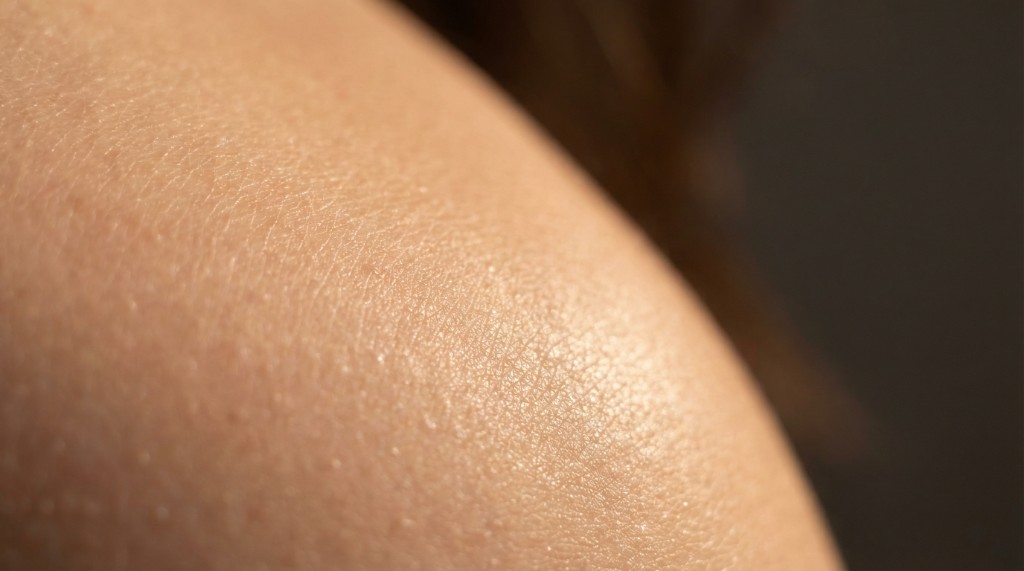
Your skin’s first line of defence is not a product, but a system. The skin barrier, or stratum corneum, is the outermost layer of your epidermis, and its integrity is the foundation of healthy, resilient skin. When it is compromised, your skin becomes vulnerable to dehydration, irritation, and accelerated ageing. Understanding its function is the first step toward achieving a complexion that is not just superficially smooth, but structurally sound.
The skin barrier is often compared to a brick-and-mortar wall. The “bricks” are the corneocytes, which are flattened, dead skin cells, and the “mortar” is a complex mixture of lipids, including ceramides, cholesterol, and free fatty acids [1]. This intricate structure serves two primary functions: to keep water in and to keep harmful substances out. A healthy barrier prevents transepidermal water loss (TEWL), the process by which water evaporates from the skin, ensuring it remains hydrated and plump [2]. It also protects against environmental aggressors such as pollutants, allergens, and pathogenic bacteria.
The Consequences of a Compromised Barrier
When the skin barrier is damaged, the lipid mortar begins to break down, creating microscopic cracks in the skin’s surface. This leads to a cascade of undesirable effects:
- Dehydration: With the protective seal broken, water escapes more easily, leading to chronic dryness, flakiness, and a dull, lacklustre appearance.
- Sensitivity and Irritation: Allergens and irritants can penetrate the skin more deeply, triggering inflammatory responses that manifest as redness, itching, and stinging [3].
- Accelerated Ageing: Chronic inflammation and dehydration contribute to the breakdown of collagen and elastin, the proteins that give skin its firmness and elasticity. This results in the premature appearance of fine lines and wrinkles.
Restoring and Reinforcing Your Barrier
The good news is that with the right approach, you can repair a damaged skin barrier and reinforce its natural defences. The key is to provide the skin with the building blocks it needs to rebuild its lipid matrix and to avoid practices that strip it of its natural oils.
Key Barrier-Repairing Ingredients:
| Ingredient | Function |
|---|---|
| Ceramides | These lipids make up over 50% of the skin’s mortar and are essential for maintaining its structure and integrity [4]. |
| Cholesterol | Another crucial lipid component that works in synergy with ceramides and fatty acids to keep the barrier strong and supple. |
| Free Fatty Acids | These help to maintain the skin’s optimal pH and contribute to its overall flexibility and smoothness. |
| Niacinamide | This form of vitamin B3 has been shown to increase the production of ceramides and other barrier lipids, as well as reduce inflammation [5]. |
By incorporating these ingredients into your skincare ritual, you can provide your skin with the resources it needs to repair itself from within. It is also crucial to avoid harsh cleansers, over-exfoliation, and other practices that can strip the skin of its natural protective oils.
At Truff’elle, our philosophy is rooted in the science of barrier repair. Our bio-fermented truffle extracts are rich in the polyphenols and peptides that support the skin’s natural regenerative processes, helping to rebuild a resilient and radiant complexion from the inside out.
References
[1] Del Rosso, J.Q., & Levin, J. (2011). The Clinical Relevance of Maintaining the Functional Integrity of the Stratum Corneum in both Healthy and Disease-affected Skin. Journal of Clinical and Aesthetic Dermatology, 4(9), 22–42.
[2] Rawlings, A.V. (2003). Trends in stratum corneum research and the management of dry skin conditions. International Journal of Cosmetic Science, 25(1-2), 63-95.
[3] Berardesca, E., Farage, M., & Maibach, H. (2013). Sensitive skin: an overview. International journal of cosmetic science, 35(1), 2-8.
[4] Meckfessel, M.H., & Brandt, S. (2014). The structure, function, and importance of ceramides in skin and their use as therapeutic agents in skin-care products. Journal of the American Academy of Dermatology, 71(1), 177-184.
[5] Bissett, D.L., Oblong, J.E., & Berge, C.A. (2005). Niacinamide: A B vitamin that improves aging facial skin appearance. Dermatologic Surgery, 31(s1), 860-865.